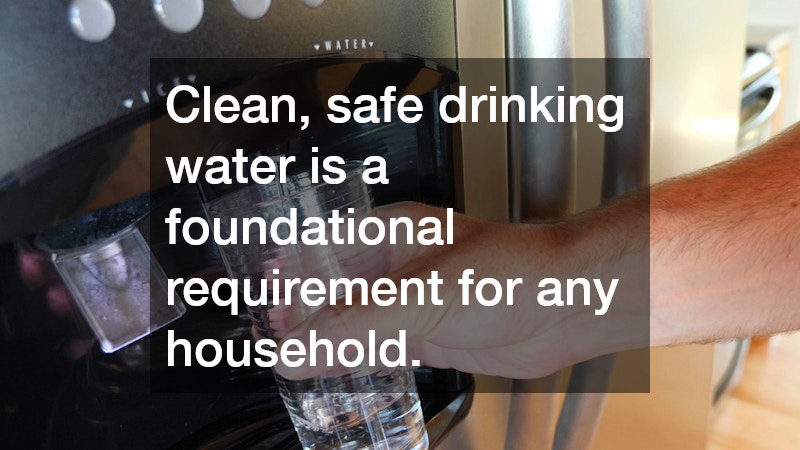
Clean, safe drinking water is a foundational requirement for any household, yet water quality can vary significantly based on location, infrastructure, and water source. From chlorine and sediment to heavy metals and emerging contaminants, untreated tap water may contain substances that affect taste, odor, and health. Choosing the right water filtration system for your home is not just about convenience—it is about protecting your household and ensuring long-term water quality. The right system depends on how you use water, what contaminants are present, and how much ongoing maintenance you are prepared to manage.
What Types of Water Filtration Systems Are Available?
Understanding the main categories of water filtration systems is the first step toward making an informed decision. Each type serves a different purpose and level of coverage.
Point-of-use (POU) systems treat water at a specific outlet, typically where drinking and cooking water is accessed. Common examples include countertop filters, faucet-mounted units, and under-sink filtration systems. These systems are popular because they are relatively affordable, easy to install, and effective for improving the taste and safety of drinking water. Under-sink systems are particularly appealing for homeowners seeking a discreet, higher-capacity solution. They can incorporate multiple filtration stages, such as carbon filters and reverse osmosis membranes, to address a wide range of contaminants. While point-of-use systems do not treat water used for bathing or laundry, they are often sufficient for households primarily concerned with drinking water quality.
Point-of-entry (POE) systems, commonly referred to as whole-house water filtration systems, treat water as it enters the home. This means all water sources—showers, sinks, appliances, and outdoor spigots—benefit from filtration. These systems are well-suited for addressing widespread issues such as sediment, hard water, or high chlorine levels. Whole-house systems typically involve higher upfront costs and professional installation, but they provide comprehensive coverage and protect plumbing fixtures and appliances from scale buildup and corrosion. For homes relying on well water or dealing with consistent water quality issues, point-of-entry systems offer a more holistic solution.
Advancements in water treatment technology have expanded the range of filtration options available to homeowners. Reverse osmosis systems are widely recognized for their ability to remove dissolved solids, heavy metals, and other microscopic contaminants. These systems are often integrated into point-of-use configurations for drinking water. Ultraviolet (UV) filtration is another emerging solution, particularly effective for disinfecting water by neutralizing bacteria, viruses, and microorganisms. UV systems do not remove physical contaminants, so they are often paired with sediment or carbon filters. Other innovations include smart filtration systems that monitor usage and filter life, helping homeowners maintain optimal performance with minimal guesswork.
How Do I Calculate the Right Size and Capacity?
Selecting the correct size and capacity is critical to ensuring your water filtration system performs efficiently without unnecessary strain or frequent maintenance.
Household size and water usage patterns play a significant role in determining system capacity. A single-person household with moderate water consumption will have very different needs than a family of five with multiple bathrooms and appliances. Consider not only drinking water usage but also bathing, laundry, dishwashing, and outdoor water use if evaluating a whole-house system. Daily water consumption is typically measured in gallons per day (GPD). Estimating this figure allows you to narrow down systems that can handle your household’s demand without reducing water pressure or filtration effectiveness.
Water quality testing is an essential step that should not be overlooked. A professional water test or a certified home testing kit can identify contaminants such as chlorine, lead, iron, nitrates, or microbial threats. The results will directly influence the type of filtration technology required. For example, carbon filters are effective for chlorine and taste issues, while reverse osmosis is better suited for dissolved contaminants. UV filtration is appropriate for biological concerns. Without understanding what is in your water, it is difficult to choose a system that delivers meaningful results.
Once you understand both your water usage and water quality, you can match these requirements to system specifications. Manufacturers typically provide flow rate and capacity guidelines, such as gallons per minute (GPM) for whole-house systems or gallons per day for point-of-use systems. Choosing a system with slightly higher capacity than your calculated demand is often advisable, particularly for growing households or homes with fluctuating water usage. Undersized systems may struggle to keep up, leading to reduced performance and shorter filter life.
What Maintenance Is Required for Water Filtration Systems?
Even the most advanced drinking water filtration systems requires regular maintenance to function properly. Understanding these requirements upfront helps prevent performance issues and unexpected costs.
Filter replacement is the most common and essential maintenance task. Replacement frequency depends on filter type, water quality, and usage volume. Carbon filters may need replacement every few months, while reverse osmosis membranes can last several years with proper pre-filtration. Ignoring filter replacement schedules can lead to reduced filtration effectiveness and potential reintroduction of contaminants. Many modern systems include indicators or alerts to simplify this process.
Routine inspections help identify leaks, pressure drops, or signs of wear before they become serious problems. Whole-house systems may require periodic flushing or cleaning of sediment filters and housings. UV systems require lamp replacement and occasional quartz sleeve cleaning to maintain disinfection effectiveness. Establishing a simple maintenance routine extends system lifespan and ensures consistent water quality.
Common indicators of filtration system issues include changes in water taste or odor, reduced water pressure, unusual noises, or visible leaks. In some cases, cloudy water or staining may indicate filter bypass or system malfunction. Addressing these signs promptly can prevent damage to the system and ensure uninterrupted access to clean water. When troubleshooting exceeds basic maintenance, professional servicing may be required.
Choosing the right water filtration system for your home requires a clear understanding of available system types, household water usage, and local water quality conditions. Point-of-use systems offer targeted drinking water treatment, while point-of-entry systems provide whole-home coverage. Emerging technologies such as reverse osmosis and UV filtration add powerful options for addressing specific contaminants.