As the calendar moves through 2026, the landscape of aging has shifted significantly from the rigid models of the past. For families navigating the complexities of elder support, the modern approach is no longer a series of isolated decisions but a continuous journey. This journey begins with the desire for independence and eventually transitions into more structured environments and final legacy planning. By understanding the full spectrum of options, families can move away from reactive, crisis-based choices and toward a proactive strategy that honors the individual’s wishes while ensuring safety and health.
Planning for the future often feels like a massive undertaking because it involves so many moving parts. It is not just about medical checks; it is about social connection, financial stability, and emotional well-being. The oldest members of the Baby Boomer generation are now entering their 80s, creating a historic demand for services that are both flexible and compassionate. This has led to a market where personalization is the gold standard, and technology serves as a bridge rather than a barrier. The following roadmap serves as a guide to navigate these transitions with clarity and confidence.
Establishing a Foundation for Independence
The first stage of the roadmap almost always focuses on the home. For many seniors, the house they have lived in for decades is more than just a building; it is a repository of memories and a symbol of their autonomy. Maintaining this independence often requires a subtle layer of support that scales as needs change. This level of assistance is generally non-medical in nature, focusing on the instrumental activities of daily living that keep a household running smoothly.
In this early phase, the introduction of professional in home care can make the difference between a senior struggling in isolation and one thriving in their familiar environment. These services often start with just a few hours a week, focusing on tasks like light housekeeping, meal preparation, or transportation to social events. In 2026, these services are frequently enhanced by smart home technology. Sensors can now detect if a stove has been left on or if a person’s walking gait has changed, suggesting a potential fall risk before an accident even occurs. This allows the senior to remain the master of their own domain while providing the family with peace of mind.
The Vital Presence of Support Personnel
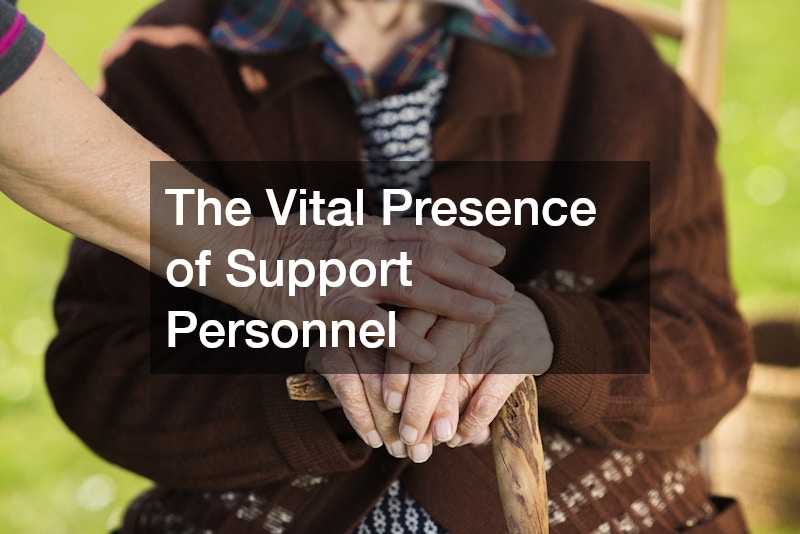
As the roadmap progresses, the human element becomes increasingly central. While technology provides the data, it is the people on the ground who provide the empathy and the “gut feeling” that a machine cannot replicate. These individuals become the primary point of contact for the senior, often spotting subtle changes in mood or appetite that might signal a deeper health issue. They are the eyes and ears of the family, especially when children or relatives live in different cities or states.
The dedication of professional caregivers is what keeps the system functioning. These workers are no longer seen as simple helpers; they are trained professionals who understand the nuances of aging, from dementia-friendly communication to safe mobility techniques. In recent years, the industry has seen a push for better compensation and specialized training for these individuals, recognizing that their well-being is directly tied to the well-being of the seniors they serve. When a family finds a person they trust, that relationship often becomes a cornerstone of the senior’s daily life, offering companionship that is just as vital as physical assistance.
Navigating Local Support Systems
Every geographic area has its own unique ecosystem of resources. What works in a sprawling metropolitan area might not be available in a rural township, and vice versa. Understanding the specific availability of services in one’s immediate vicinity is a crucial step in the planning process. This local knowledge helps families avoid the frustration of researching options that are physically or logistically out of reach.
When families begin their search for local home care, they are often looking for more than just a list of agencies. They are looking for a community partner that understands the specific challenges of their neighborhood, such as local traffic patterns for transportation or proximity to the nearest specialty hospital. In 2026, many families use digital portals to compare agencies based on real-time availability and specialized certifications. Choosing a provider within the community also ensures that the support staff is familiar with the local culture and resources, which can help a senior feel more connected and less like they are being managed by a distant corporation.
Precision in Geographic Care Planning

Focusing on the immediate area does more than just simplify logistics; it creates a safety net that is responsive to the environment. If a senior lives in a region prone to specific weather events or has limited access to public transit, the care plan must account for those variables. A highly targeted approach ensures that help is never too far away, which is critical in the event of a sudden change in health or a household emergency.
The search for local in home care is frequently driven by the need for a quick response time and a personal touch. Agencies that operate on a smaller, community-focused scale often have deeper ties to local pharmacies, grocery stores, and senior centers. This allows for a more integrated experience where the care provider can facilitate social outings or handle errands with an intimate knowledge of the senior’s favorite spots. This level of micro-local support helps maintain the senior’s routine, which is often the most significant factor in preserving cognitive health and emotional stability.
Transitioning to Clinical Assistance at Home
Eventually, many seniors reach a point where non-medical assistance is no longer enough. This transition often occurs after a hospital stay, a new diagnosis, or a gradual decline in a chronic condition. At this stage, the focus shifts from lifestyle support to clinical management. The goal remains the same, keeping the individual at home. The intensity of the service increases to include skilled nursing, physical therapy, or wound care.
This is where home health care enters the roadmap. Unlike general support, these services are typically prescribed by a doctor and may be covered by insurance or Medicare for a specific period. In the current healthcare environment, the integration of telehealth allows nurses and therapists to monitor vital signs and progress remotely between in-person visits. This “hospital at home” model has become a preferred choice for many, as it reduces the risk of hospital-acquired infections and allows for recovery in a comfortable, low-stress environment. It requires a higher level of organization from the family, as they must now manage a schedule of medical professionals entering and exiting the home.
The Importance of Professional Oversight
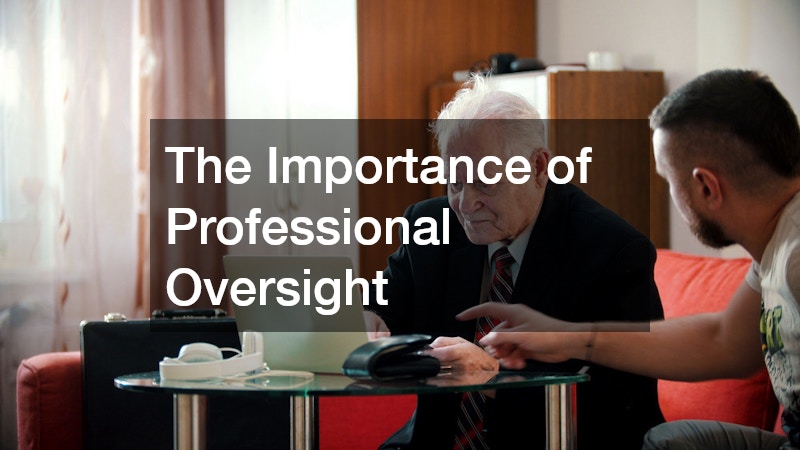
Managing multiple doctors, various medications, and various therapy schedules can quickly become a full-time job for a family member. When the medical situation becomes complex, the risk of error increases. A missed pill or a misunderstood instruction from a specialist can lead to a setback that results in a trip to the emergency room. To prevent this, a more formal structure of health management is often required to act as the “quarterback” for the entire care team.
This is the primary role of medical care coordination, a service that has become indispensable in 2026. These coordinators act as the central hub for information, ensuring that the primary care physician, the specialists, and the home-based team are all on the same page. They handle the heavy lifting of scheduling, insurance authorizations, and medication reconciliations. For families, this service removes the administrative burden, allowing them to focus on being a supportive daughter, son, or spouse rather than a stressed-out medical manager. It ensures that the roadmap remains on track and that any potential issues are addressed before they become crises.
Exploring Residential Options
While aging in place is a priority for many, there are times when a private residence is no longer the safest or most fulfilling option. Social isolation is a significant health risk for seniors, often leading to faster cognitive decline and depression. Furthermore, the physical demands of maintaining a large house can become a source of stress rather than a source of comfort. At this point in the roadmap, families begin to look at residential communities designed specifically for the needs of older adults.
The landscape of senior living facilities has changed dramatically in recent years. Today’s options range from active adult communities that feel like luxury resorts to environments that provide high levels of daily support. These facilities focus on “whole-person wellness,” offering on-site gyms, gourmet dining, and a calendar full of social and educational activities. The move to such a facility is often seen as a lifestyle choice rather than a medical necessity. It is about trading the chores of homeownership for a community where help is available if needed, but independence is the primary focus.
Finding a Balance in Community Living
For those who need a bit more help with daily tasks but do not require the intensive medical supervision of a nursing home, a middle-ground option is often the best fit. These communities are designed to provide a “safety net” that allows residents to live in their own apartments while receiving help with things like medication management, bathing, or dressing. The emphasis is on preserving dignity and choice while ensuring that the resident’s basic needs are met around the clock.
Living in an assisted living community provides a blend of privacy and social engagement. In 2026, the average monthly cost for these communities sits around $6,200, which often includes housing, utilities, meals, and basic care. Families often find that this “all-inclusive” price is more manageable than the unpredictable costs of hiring 24/7 help at home. Moreover, the social ecosystem of these communities, resident-led clubs, intergenerational programs, and shared diningprovides a level of stimulation that is hard to replicate in a private home. It is a transition that, when planned correctly, can lead to a significant increase in a senior’s quality of life and overall vitality.
Navigating the Final Chapter with Grace

The final stage of the 360-degree roadmap is one that many people are hesitant to discuss, yet it is the most certain part of the journey. End-of-life planning is an act of love for those who remain; it provides a clear set of instructions during a time of profound grief. When these decisions are made in advance, the family can focus on honoring their loved one’s memory rather than arguing over logistics or financial details.
Engaging with a funeral home early in the process is a key part of this pre-planning. Modern providers in this field act as counselors and event planners, helping families design services that are deeply personal and reflective of a life well-lived. Whether it is a traditional service, a celebration of life in a garden, or a small private gathering, having a relationship with a provider ensures that the senior’s final wishes are documented and respected. These professionals also help navigate the legal and administrative requirements that follow a death, providing a steady hand during a difficult transition.
Modern Preferences in Final Arrangements
As environmental concerns and personal values shift, so do the choices for final disposition. Many individuals now look for options that are simpler, more affordable, and more in line with their ecological beliefs. This has led to a significant increase in the adoption of methods that differ from traditional burial. These choices allow for a great deal of flexibility in how and where a person is memorialized.
For many families, cremation has become the preferred choice due to its simplicity and the various ways it allows for a legacy to be honored. In 2026, many providers will offer eco-friendly versions of this process, such as those that use significantly less energy or alternative methods like alkaline hydrolysis. Choosing this path doesn’t mean a lack of ceremony; on the contrary, it often opens the door for more creative memorials, such as scattering ashes in a meaningful location or incorporating them into a piece of art or a memorial reef. By including these preferences in the aging roadmap, the individual ensures that their final footprint on the world matches the way they lived their life.
Completing the Circle of Care
The 360-degree aging roadmap is not a linear path with a single destination. It is a dynamic plan that adjusts as circumstances change. One year might involve a heavy reliance on home-based support, while the next might see a move to a vibrant community setting. The common thread throughout every stage is the focus on dignity, safety, and personal preference. When a family takes the time to map out these stages, they are not just preparing for the end; they are ensuring that every year leading up to it is lived as fully as possible.
The most successful aging journeys are those where the family remains a cohesive team, supported by professionals who understand the complexities of the modern eldercare system. From the first hour of help in the kitchen to the final arrangements made with a service provider, every step is an opportunity to show respect for the person who paved the way for the next generation. By embracing this roadmap, families can transform the challenges of aging into a period of meaningful connection and peace of mind. As the senior population continues to grow and evolve, these comprehensive strategies will remain the foundation of a compassionate and functional society.