Curbside trash pickup plays a critical role in maintaining clean neighborhoods, protecting public health, and supporting local waste management systems. When residents follow established best practices, collections run more efficiently, environmental impact is reduced, and communities remain safer and more attractive. Improper disposal, missed pickups, or poorly contained waste can lead to litter, pest issues, and unnecessary service disruptions. Understanding how to prepare trash correctly, place it out at the right time, and reduce overall waste helps ensure curbside trash pickups function smoothly for everyone involved.
How Do I Prepare My Trash for Pickup?
Every municipality or service provider sets specific rules for trash collection, including acceptable materials, container requirements, and weight limits. Familiarizing yourself with these guidelines is essential to avoid rejected pickups or fines.
Regulations often specify what items require special handling, such as electronics, hazardous materials, or bulk waste. Local rules may also dictate how bags are tied, whether lids must be fully closed, and how far containers should be placed from the curb. Reviewing official guidelines or service notices helps ensure compliance and prevents delays during collection.
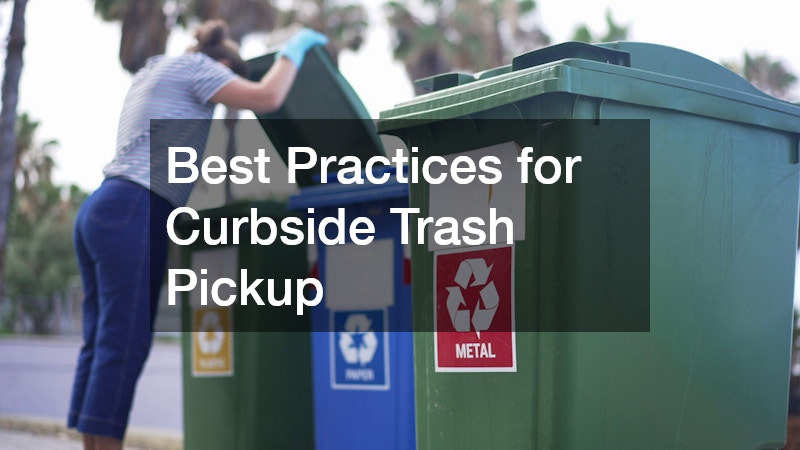
Proper sorting is one of the most impactful steps residents can take. Separating recyclable materials from general household waste reduces landfill use and supports recycling programs. Common recyclables typically include paper, cardboard, certain plastics, glass, and metals, though accepted items vary by location. Contamination is a frequent issue that reduces recycling effectiveness. Food residue, plastic bags in recycling bins, or mixing non-recyclables can result in entire loads being discarded. Taking the time to rinse containers and follow sorting instructions improves recycling outcomes and supports sustainability goals.
Using the correct containers is essential for safe and efficient collection. Approved trash bins with secure lids help prevent spillage, reduce odors, and deter pests. Loose bags or overfilled containers increase the risk of litter and make handling more difficult for collection crews. Trash should be bagged securely before being placed in the bin, especially food waste. Containers should be in good condition, with functioning wheels and lids, to ensure they can be handled safely by automated or manual collection systems.
What Time Should I Put My Trash Out?
Most areas operate on a consistent weekly or bi-weekly pickup schedule. Knowing your designated collection day helps avoid missed pickups and unnecessary clutter at the curb. Schedules are often available through municipal websites, service provider notifications, or utility billing statements. Some neighborhoods also have separate schedules for recycling or yard waste. Keeping track of these distinctions ensures materials are placed out on the correct days.
Trash should typically be placed at the curb either the evening before or early on the morning of collection day, depending on local guidelines. Setting trash out too early can lead to scattered debris, especially overnight, while placing it out too late may result in missed service. Leaving containers at the curb long after pickup can obstruct sidewalks, create visual clutter, and violate local ordinances. Promptly retrieving bins after collection helps maintain neighborhood appearance and accessibility.
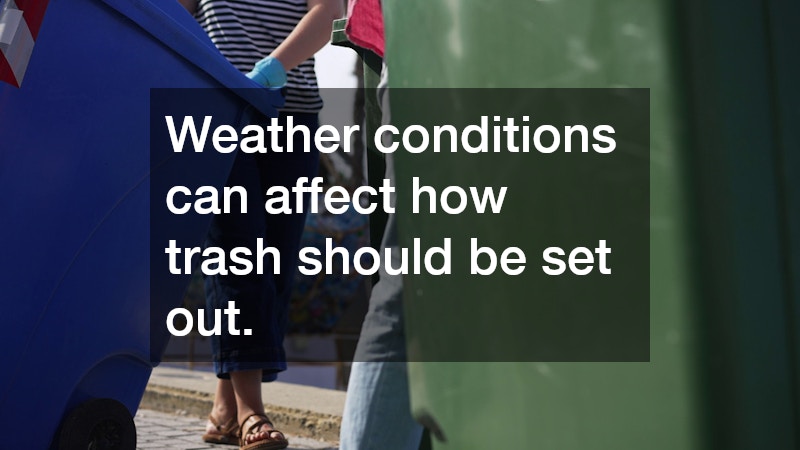
Weather conditions can affect how trash should be set out. In windy conditions, ensure lids are securely closed and avoid overfilling bins. During heavy rain, bagging waste carefully helps prevent waterlogged trash and excess weight. In winter, containers should be placed where they are accessible and not blocked by snow or ice. Adjusting placement slightly based on weather improves pickup reliability and reduces the risk of spills or delays.
How Can I Reduce Waste?
Composting is an effective way to reduce household waste volume while creating nutrient-rich material for gardens and landscaping. Food scraps, yard waste, and other organic materials can often be composted rather than discarded. Home composting reduces the amount of waste sent to landfills and lowers the environmental impact of curbside trash pickups. Many communities also offer composting programs or guidance for residents interested in getting started.
Single-use products contribute significantly to household waste. Reducing reliance on disposable items such as plastic bags, utensils, and packaging can dramatically decrease the amount of trash generated each week. Choosing reusable alternatives, buying products with minimal packaging, and planning purchases more intentionally all help limit waste at the source. These small changes collectively make curbside collection more efficient and environmentally responsible.
Many items that no longer serve a purpose in one household can still be useful to others. Clothing, furniture, appliances, and household goods can often be donated to local charities or repurposed through resale or recycling programs. By extending the life of usable items, residents reduce landfill contributions and support community sustainability efforts. Donation and reuse also help prevent unnecessary strain on waste collection systems.
Following best practices for curbside trash pickup benefits both individual households and the broader community. Proper preparation, correct timing, and thoughtful waste reduction help collections run smoothly, reduce environmental impact, and maintain clean neighborhoods. By understanding local regulations, using appropriate containers, and adopting sustainable habits, residents play an active role in improving the efficiency and effectiveness of curbside trash pickups. Consistent, responsible participation ensures a cleaner, healthier environment for everyone.