
A home’s exterior does more than create curb appeal. It shields everything inside from wind, rain, heat, cold, and debris. When the outer systems are well maintained, the interior stays dry, energy-efficient, and structurally sound. When they are neglected, small issues can quietly turn into costly repairs.
Understanding how residential roofing, water drainage, ventilation, and related systems work together gives homeowners a clear advantage. With the right knowledge, it becomes easier to prevent damage instead of reacting to it. This guide explains how roofing and exterior components protect a home, how to spot early warning signs, and when to bring in professionals.
Why the Exterior Matters More Than Most Homeowners Realize
The roof, gutters, siding, ventilation, and structural supports operate as one system. Rainwater hits the roof first. From there, it flows into gutters, down through downspouts, and away from the foundation. At the same time, attic ventilation helps regulate temperature and moisture levels beneath the roof deck.
If any one of these elements fails, pressure builds elsewhere. A clogged gutter can force water under shingles. Poor ventilation can shorten the life of roofing materials. Minor leaks can travel through insulation and appear far from their source.
Exterior maintenance is not just cosmetic. It protects structural framing, insulation, drywall, flooring, and even electrical systems. Regular inspections and timely repairs preserve property value and prevent emergency situations.
Understanding Residential Roofing Systems
A roof is more than shingles. It includes decking, underlayment, flashing, ventilation components, and drainage pathways. Each layer plays a role in protecting the structure from moisture and temperature extremes.
Most residential roofing systems in the United States use asphalt shingles because they are durable, cost-effective, and relatively easy to install. Metal, tile, and architectural shingles are also common, depending on climate and design preference.
Underneath the visible surface lies the underlayment, which adds a water-resistant barrier. Flashing around chimneys, vents, and valleys directs water away from vulnerable seams. Ridge vents and soffit vents allow airflow through the attic space.
A well-installed roof can last 20 to 30 years or more, depending on materials and climate conditions. However, lifespan depends heavily on maintenance. Wind, hail, heavy rain, and temperature swings gradually wear down materials. That is why periodic inspections matter.
Early Warning Signs That Call for Roof Repair
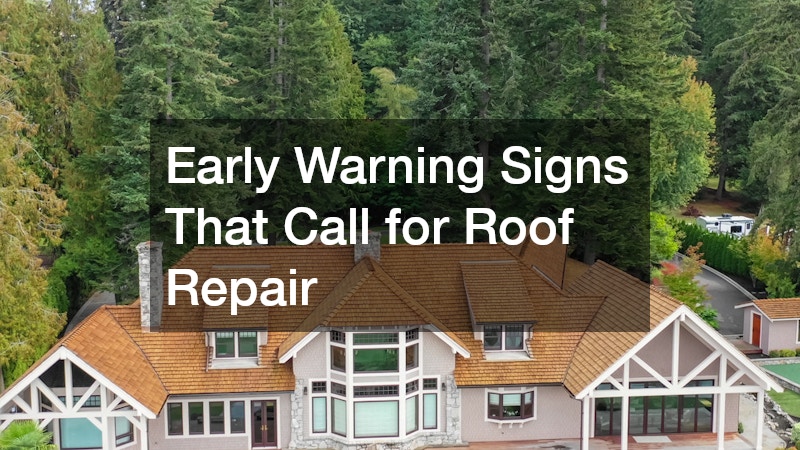
Many homeowners only think about roof repair after a visible leak appears. By that point, water may have already damaged insulation or framing. Recognizing earlier signs helps prevent larger issues.
Common indicators include:
- Missing or curling shingles
- Granules collecting in gutters
- Dark streaks or algae growth
- Sagging roof lines
- Water stains on ceilings
- Increased energy bills due to poor insulation performance
Storm damage can loosen flashing or lift shingles without obvious interior signs. Even small cracks can allow moisture intrusion over time.
Prompt roof repair prevents moisture from reaching structural wood and drywall. It also protects insulation from saturation, which can reduce efficiency and increase heating and cooling costs.
Scheduling professional inspections after severe weather events is a smart preventative step. Many contractors offer assessments that identify minor concerns before they escalate.
The Role of Gutter Services in Protecting the Roof and Foundation
Water management is one of the most overlooked aspects of home protection. Without properly functioning gutter services, rainwater has nowhere to go. It may spill over roof edges, pool near the foundation, or seep into fascia boards.
Gutters channel water safely away from the structure. Downspouts guide runoff to designated drainage areas. When gutters clog with leaves, dirt, or debris, water backs up under shingles and along roof edges.
Routine cleaning and maintenance are essential. In heavily wooded areas, gutters may require cleaning several times per year. Installing guards can reduce debris buildup, though periodic inspection is still necessary.
Beyond the roofline, clogged gutters contribute to foundation cracks and basement leaks. Proper drainage protects landscaping, siding, and exterior paint as well.
Professional gutter services often include inspection of brackets, seams, and slope alignment. Even a slight sag can prevent proper water flow. Keeping this system in good shape extends the life of roofing materials and prevents structural water damage.
When Roof Replacement Becomes the Smarter Investment
There comes a point when patching isolated areas is no longer cost-effective. Multiple leaks, widespread shingle deterioration, or structural sagging may signal the need for roof replacement.
Age is one factor. If a roof is nearing the end of its expected lifespan, repeated repairs may add up quickly. Extensive storm damage can also compromise large sections at once.
A full roof replacement allows contractors to inspect the decking and structural supports underneath. It ensures updated underlayment and flashing systems are installed correctly. This process improves energy efficiency and resale value.
Modern materials offer improved durability and better resistance to wind and moisture. Homeowners may also upgrade ventilation systems during replacement to extend the life of the new installation.
While it is a significant investment, replacement often reduces long-term maintenance costs and improves overall home protection.
Exterior Protection and Its Connection to Interior Systems
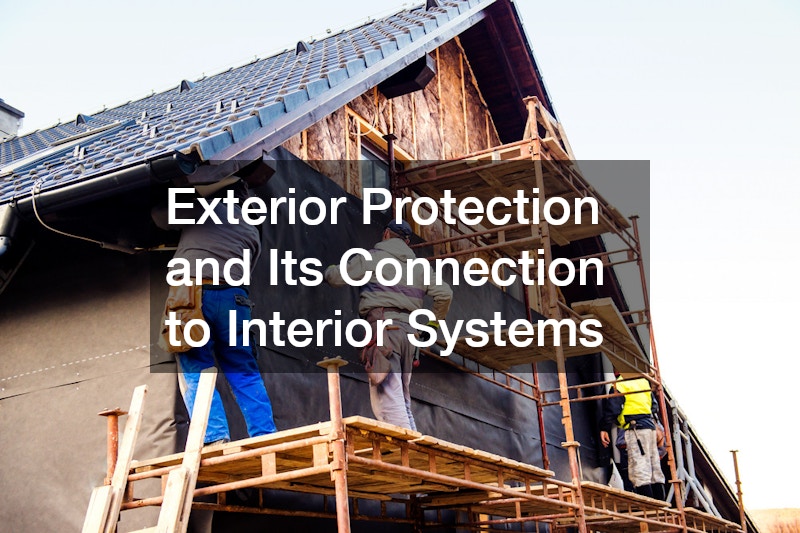
Many homeowners do not realize how closely exterior components connect to interior systems. Moisture intrusion from the roof can affect wiring, ductwork, and plumbing lines that run through attics and walls.
For example, if water seeps into an attic space, it may drip onto HVAC equipment. Prolonged exposure to moisture can corrode metal components and reduce system efficiency. Similarly, damp insulation loses its ability to regulate temperature, forcing heating and cooling systems to work harder.
An experienced HVAC technician often checks for signs of roof-related moisture issues during routine maintenance visits. Catching condensation problems early can prevent costly repairs.
In some cases, water intrusion may reach junction boxes or wiring. If homeowners notice flickering lights after heavy rain, it may be time to consult a licensed electrician. Electrical systems and moisture do not mix, and prompt attention is critical for safety.
These connections highlight why exterior upkeep protects more than just shingles and gutters. It safeguards the entire structure.
Storm Preparedness and Emergency Situations
Severe weather can strike without warning. High winds, hail, and heavy rain put stress on roofing materials and drainage systems. After major storms, homeowners should conduct a visual inspection from the ground.
Look for displaced shingles, dented gutters, or debris accumulation. If interior leaks appear, immediate action is necessary.
Water damage can quickly escalate into plumbing concerns as well. Flooded basements or backed-up drains may require professional drain repair to restore proper flow and prevent contamination.
In extreme situations such as burst pipes caused by roof-related freezing conditions, contacting a 24 hour plumber ensures a fast response. Quick intervention limits structural damage and mold growth.
Preparedness includes trimming overhanging tree branches, securing loose exterior materials, and keeping drainage systems clear before storm season begins.
Attic Ventilation and Moisture Control
A roof’s performance depends heavily on airflow beneath it. Proper ventilation regulates temperature and reduces trapped moisture in attic spaces.
During the summer months, excessive heat buildup can warp shingles from underneath. In winter, poor airflow may contribute to ice dams. These form when warm attic air melts snow on the roof, which then refreezes along colder eaves, trapping water behind it.
Balanced intake and exhaust vents allow air to circulate naturally. This process prevents condensation and extends the life of roofing materials.
Ventilation also supports indoor comfort. When attic temperatures remain stable, heating and cooling systems operate more efficiently.
Homeowners planning attic renovations or insulation upgrades should consider how changes may affect airflow. A roofing professional can evaluate ventilation needs and recommend adjustments if necessary.
Protecting the Garage and Entry Points
The garage is another critical entry point where weather can infiltrate. A properly sealed door keeps out moisture, pests, and drafts.
If homeowners notice water pooling near the garage threshold, it may indicate drainage issues or worn seals. Upgrading to professional garage door installation ensures proper alignment and weather stripping.
A well-fitted garage door also contributes to energy efficiency, particularly when the garage is attached to the home. Insulated models reduce heat transfer and help maintain stable indoor temperatures.
Regular inspection of hinges, tracks, and seals prevents premature wear and keeps the system operating safely.
Coordinating Exterior Projects With Interior Renovations
Home improvement projects often overlap. For example, during a kitchen remodeling service, contractors may discover outdated venting systems or signs of past moisture intrusion from above.
If remodeling plans include relocating vents or adding skylights, roofing professionals must coordinate to ensure waterproof integration. Penetrations through the roof require proper flashing to prevent leaks.
Exterior protection should always be part of renovation planning. Ignoring it can undermine new interior finishes and cabinetry.
Similarly, plumbing updates during renovations sometimes reveal hidden drainage problems that require targeted drain repair before closing walls. Addressing these concerns at the right time prevents repeated disruption later.
The Importance of Regular Inspections
Annual inspections are one of the most cost-effective ways to protect a home. Professionals look for loose shingles, cracked flashing, clogged gutters, and ventilation issues.
Homeowners can also conduct simple visual checks throughout the year. After heavy storms, inspect the yard for fallen roofing materials. Check ceilings for stains. Monitor attic spaces for damp insulation.
Catching small issues early reduces the likelihood of major structural damage. Preventative care extends the life of roofing systems and supports long-term performance.
It is also wise to pay attention to subtle changes. Doors that suddenly stick, small cracks in interior walls, or persistent musty odors can sometimes trace back to exterior moisture problems. When these clues are investigated early, repairs tend to be simpler and far less expensive.
Energy Efficiency and Long-Term Savings

Exterior maintenance directly affects energy consumption. A well-sealed roof, properly aligned gutters, and adequate ventilation keep interior temperatures stable.
Moisture-free insulation retains its effectiveness. This reduces strain on heating and cooling equipment and lowers monthly utility costs.
Upgrading roofing materials during a future replacement may further improve efficiency. Reflective shingles, improved underlayment, and enhanced ventilation designs contribute to better temperature control.
The return on investment extends beyond comfort. Well-maintained homes often command higher resale values and pass inspections more easily.
Energy savings also accumulate gradually. Even small improvements in attic airflow or drainage performance can make heating and cooling cycles shorter and more consistent. Over time, that consistency reduces wear on major systems and extends their service life.
Choosing Qualified Professionals
Selecting the right contractor makes a significant difference in outcome and durability. Look for licensed and insured providers with clear communication and documented experience.
Ask for written estimates and detailed explanations of recommended work. Reputable companies are transparent about materials, timelines, and warranties.
For specialized systems such as wiring or climate control equipment, always rely on certified professionals. An experienced electrician understands local building codes and ensures installations meet safety standards.
Emergency situations should be handled by reputable providers as well. When urgent plumbing concerns arise, a trusted 24 hour plumber offers peace of mind and quick resolution.
Quality workmanship reduces the likelihood of recurring issues and protects the investment made in the home.
Homeowners should also verify references and review past project photos when possible. Seeing completed work provides confidence in craftsmanship and attention to detail.
A Holistic Approach to Exterior Protection
Home protection is not about one isolated component. It is about how roofing, drainage, ventilation, and structural systems function together.
Regular maintenance of residential roofing prevents leaks. Timely roof repair addresses vulnerabilities before they grow. Reliable gutter services keep water flowing safely away from the structure. Strategic roof replacement restores integrity when aging materials can no longer perform.
Attention to connected systems, from ventilation to garage door installation, supports overall durability. When exterior care aligns with interior upgrades such as kitchen remodeling service projects, the entire property benefits.
Long-term planning also plays an important role. Homeowners who keep detailed records of inspections, repairs, and material warranties are better prepared for resale or insurance claims. Documentation shows that the property has been maintained responsibly.
Ultimately, protecting a home’s exterior is an ongoing process rather than a one-time task. With consistent inspections, informed decisions, and qualified professionals, homeowners can preserve comfort, safety, and value for years to come.