When a medical issue arises unexpectedly, knowing where to seek care can save time, reduce stress, and ensure you receive the appropriate level of treatment. In today’s fast-paced environment, patients increasingly rely on same-day medical care options to address non-life-threatening concerns without long delays. From urgent care centers to telemedicine and other accessible care settings, each option serves a specific purpose. Understanding how these services differ helps you make informed decisions when immediate medical attention is needed.
What Is the Difference Between Urgent Care and Emergency Care?
Urgent care centers are designed to treat medical issues that require prompt attention but are not life-threatening. These facilities typically handle conditions such as minor fractures, sprains, infections, fevers, and mild respiratory issues.
Many urgent care centers offer extended hours, including evenings and weekends, making them a convenient alternative to primary care offices when appointments are unavailable. Unlike emergency rooms, urgent care centers focus on efficiency and accessibility. They are equipped to provide diagnostic services such as X-rays and lab testing, allowing patients to receive timely evaluation and treatment for common medical concerns.
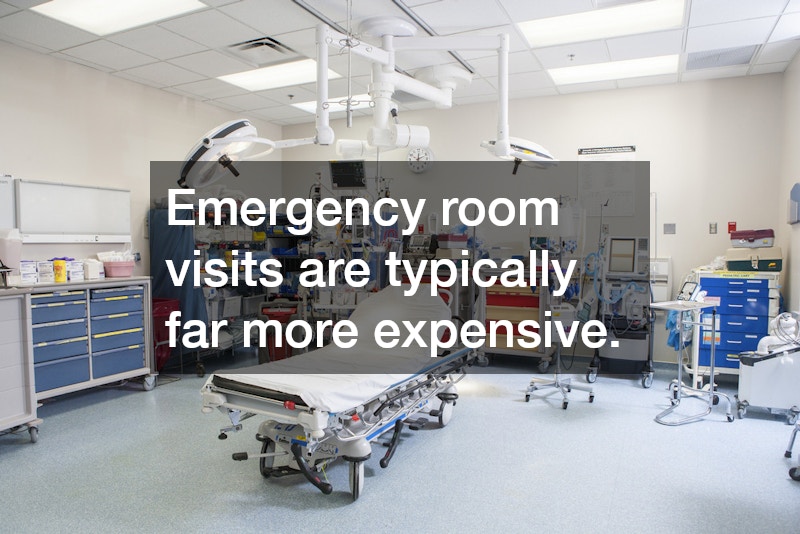
Emergency rooms are intended for severe or potentially life-threatening conditions that require immediate, comprehensive medical intervention. Symptoms such as chest pain, difficulty breathing, severe bleeding, head injuries, or signs of stroke should always be treated as emergencies. Emergency departments are staffed with specialized teams and advanced equipment capable of handling critical situations. While they provide essential care in serious cases, they are not always the most efficient choice for minor illnesses or injuries due to higher costs and longer wait times.
One of the most significant differences between urgent care and emergency care is cost. Emergency room visits are typically far more expensive due to the level of resources involved. Urgent care centers generally offer more predictable pricing and shorter wait times for non-emergency conditions. Wait times can also vary widely. Emergency rooms prioritize patients based on severity, which means those with less serious issues may wait several hours. Urgent care centers often operate on a first-come, first-served basis, allowing many patients to be seen more quickly.
Are Walk-In Clinics a Good Choice for Same-Day Care?
Walk-in clinics provide accessible care for minor illnesses and injuries without the need for appointments. Common services include treatment for colds, flu, sore throats, minor infections, rashes, and basic preventive services such as vaccinations and physicals. A walk in clinic is often located within retail settings or community health facilities, making it easy to access care during routine errands. These clinics are well-suited for patients seeking fast, straightforward medical attention for non-complex issues.
Patients often wonder whether the quality of care at walk-in clinics matches that of traditional medical offices. In most cases, these clinics are staffed by licensed healthcare professionals such as nurse practitioners, physician assistants, and, in some instances, physicians. They follow established clinical guidelines and protocols to ensure consistent, safe care. While walk-in clinics are not intended to replace primary care providers, they serve as a reliable option for addressing immediate concerns. Providers are trained to recognize when a condition requires escalation to urgent care or emergency services.
Most walk-in clinics accept a wide range of insurance plans, including private insurance, Medicare, and Medicaid. For uninsured patients, transparent self-pay pricing is often available, making costs easier to understand upfront. This pricing clarity, combined with accessibility, makes walk-in clinics an appealing choice for patients who need care quickly without unexpected financial burden.
How Can Telemedicine Services Provide Same-Day Care?
Telemedicine has become an increasingly popular option for same-day medical care, offering virtual consultations through video or phone calls. This approach is particularly beneficial for minor illnesses, follow-up visits, and medication management. Patients can receive care from the comfort of their homes, reducing travel time and exposure to illness. However, telemedicine has limitations. Conditions that require physical examinations, imaging, or procedures may still necessitate an in-person visit. Understanding these boundaries helps patients choose telehealth appropriately.
Accessing telehealth services is typically straightforward. Many healthcare providers offer online portals or mobile apps that allow patients to schedule same-day appointments. A stable internet connection, a smartphone or computer, and a private space are usually all that’s required. Some insurance plans cover telemedicine visits, while others offer discounted rates for virtual care. Reviewing coverage details in advance can help avoid surprises.
Telemedicine is well-suited for treating conditions such as colds, allergies, sinus infections, skin concerns, and minor gastrointestinal issues. It is also effective for discussing lab results, managing chronic conditions, and providing medical advice when symptoms are mild. For patients who are unsure whether an in-person visit is necessary, telemedicine can serve as a first step, guiding next actions if further care is required.
Same-day medical care is no longer limited to emergency rooms. With options ranging from urgent care centers and walk-in clinics to telemedicine services, patients have greater flexibility in how they receive timely treatment. Each option offers distinct benefits depending on the severity of symptoms, cost considerations, and personal preferences.
By understanding the role of each care setting and recognizing when to use them, you can make informed decisions that lead to faster treatment and better outcomes. Choosing the right same-day medical care option ensures peace of mind and efficient access to the healthcare services you need when it matters most.