Spider veins are a common concern for many individuals, often causing discomfort and cosmetic issues. Fortunately, local vein clinics offer effective solutions to tackle these unsightly veins. This article explores how these clinics can assist in managing spider veins, what treatments are available, and how these interventions can improve one’s quality of life.
What Causes Spider Veins?
Spider veins, clinically known as telangiectasias, form due to a variety of interconnected factors. Genetics play a pivotal role, meaning a family history of varicose veins or spider veins significantly elevates one’s risk. Aging is another critical factor; as we age, the valves within our veins tend to weaken, disrupting natural blood flow and leading to vein dilation and visibility. Additionally, lifestyle elements such as prolonged standing, obesity, or hormonal changes further stress the vascular system, promoting the emergence of spider veins.
Understanding the underlying causes of spider veins is essential for effective treatment. Professional diagnosis helps elucidate these causes by employing advanced imaging techniques and comprehensive assessments. This process not only highlights cosmetic concerns but also identifies deeper vascular issues that might necessitate intervention. Ultimately, a precise diagnosis ensures personalized treatment that directly addresses the root causes of vascular anomalies.
Are Spider Veins a Health Concern or Just Cosmetic?
Many perceive spider veins primarily as a cosmetic issue due to their visible discoloration and fine, web-like pattern. However, though primarily non-threatening, in some cases they might signal underlying venous conditions. Left unchecked, these conditions could potentially develop into more serious issues, affecting one’s circulatory health over time. Understanding the nuances of these possibilities is vital, thereby necessitating professional evaluation.
Consulting a vein specialist ensures comprehensive assessment beyond mere symptom observation. Specialists employ diagnostic techniques, like duplex ultrasound, to analyze blood flow and structural vein integrity. This meticulous approach discerns whether spider veins are purely superficial or symptomatic of larger venous complications, thereby guiding appropriate treatment paths.
Moreover, visiting a vein clinic for spider veins offers more than a cosmetic consultation; it’s a proactive step towards vascular health. While some individuals might prioritize aesthetic improvements, addressing underlying health issues ensures treatment efficacy. By integrating both cosmetic and health perspectives, clinics provide a dual focus essential for enduring patient satisfaction and well-being.
What Treatments are Available at Local Vein Clinics?
Local vein clinics offer a multitude of treatments for spider veins, tailor-fitted to each individual’s needs. Sclerotherapy is one such treatment where a special solution is injected into the veins, causing them to collapse and fade. This method is the preferred choice for addressing smaller veins and boasts a high success rate with minimal discomfort.
Laser therapy represents another advanced treatment option, ideal for subtle or more intricate spider veins. It employs focused light beams to effectively break down problematic veins without invasive procedures. Patients appreciate the non-invasive nature of laser treatment, which also minimizes recovery time. Additionally, the precision of laser therapy guarantees high patient satisfaction through its targeted effectiveness.
Beyond direct treatments, vein clinics advocate lifestyle changes that support vein health. Adjustments such as weight management, regular physical activity, and compression stockings promote better circulation and reduce vein swelling. These lifestyle adaptations function as a supplementary strategy, bolstering the impact of medical interventions while ensuring sustainable vascular health improvements.
How to Prepare for a Visit to a Vein Clinic?
A visit to a vein clinic typically begins with a detailed consultation focused on understanding the patient’s vascular concerns and medical history. Patients should be prepared to discuss any symptoms experienced and provide full medical records if available. This initial assessment lays the groundwork for tailored diagnostic processes and subsequent treatment plans.
Preparation is key; patients are encouraged to compile necessary documentation, such as prior medical reports or insurance information, to streamline the consultative process. Adjustments to lifestyle, like ceasing consumption of blood thinners or caffeine before the visit, might be advised to ensure more accurate diagnostic results. Proper preparation facilitates a smooth and effective clinical experience.
To maximize the benefits of their visit, potential patients should be aware of what to anticipate. During the visit, diagnostic tests may be conducted to assess vein health in detail. Understanding these processes helps in reducing anxiety and optimizing communication between the patient and healthcare provider, ultimately ensuring an informed treatment journey.
What to Expect Post-Treatment?
Post-treatment recovery at a vein clinic involves a manageable adjustment period with guidelines designed to maximize healing and results. After sclerotherapy, patients might experience mild discomfort and bruising, which typically resolves within a few days. Instructions often include avoiding intense physical activity temporarily to facilitate proper healing.
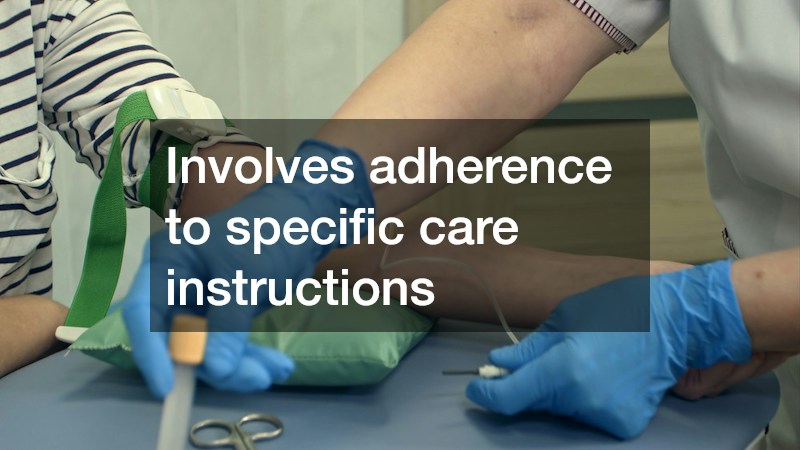
Caring for the treated area involves adherence to specific care instructions, like applying compression bandages or avoiding sun exposure. These measures are instrumental in reducing inflammation and maintaining therapeutic results. Diligent adherence to post-care protocols helps solidify improvements and enhances overall satisfaction with the treatment outcome.
Enlisting the help of a local vein clinic can significantly aid those struggling with spider veins, providing both cosmetic improvements and addressing potential health issues. Understanding the causes, treatment options, and care processes will empower individuals to make informed decisions about their vein health, ensuring they receive the most effective care tailored to their needs.