As we age or face mobility challenges, navigating multi-level homes can become increasingly difficult and even dangerous. Falls on stairs are a leading cause of injury among seniors and individuals with physical limitations. Fortunately, solutions like chairlifts for stairs, stair lifts, wheelchair lifts, and vertical platform lifts offer practical ways to enhance safety and mobility at home. These devices provide independence, reduce risk, and make everyday living more manageable.
What Are the Benefits of Installing a Chairlift at Home?
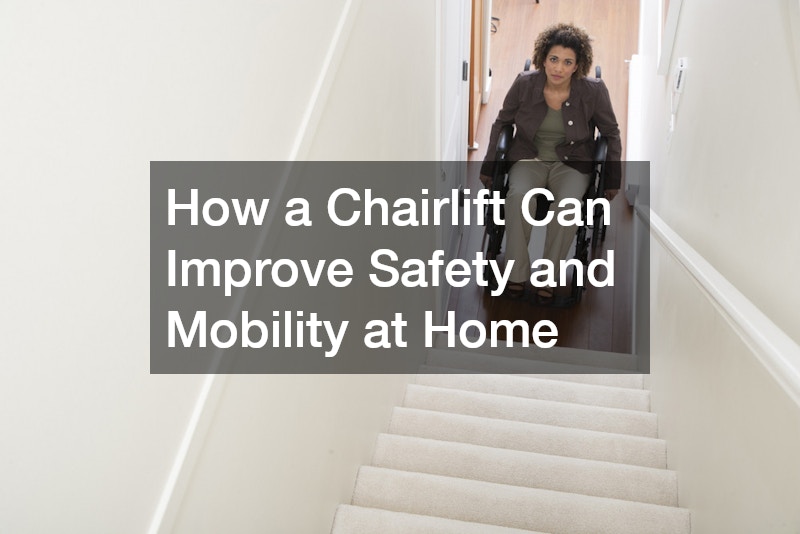
One of the primary reasons to consider a chairlift for stairs is safety. Stairs are a common site for falls, particularly for older adults or those with limited mobility.
A properly installed chairlift reduces the risk of slips, trips, and falls by providing a secure, stable way to move between floors. Vertical platform lifts and wheelchair lifts further enhance safety for individuals who use mobility devices, eliminating the need to transfer from a wheelchair to a chair for stair navigation. By relying on these solutions, homeowners can maintain safe access to all areas of their home, reducing emergency room visits and injury risks.
Chairlifts empower individuals to move freely without depending on family members, friends, or caregivers. For those who may struggle to climb stairs due to joint pain, balance issues, or chronic conditions, stair lifts restore a sense of autonomy. Wheelchair lifts and vertical platform lifts also allow people with more significant mobility limitations to access different levels of their home without assistance. This independence not only improves daily functionality but also enhances dignity and confidence.
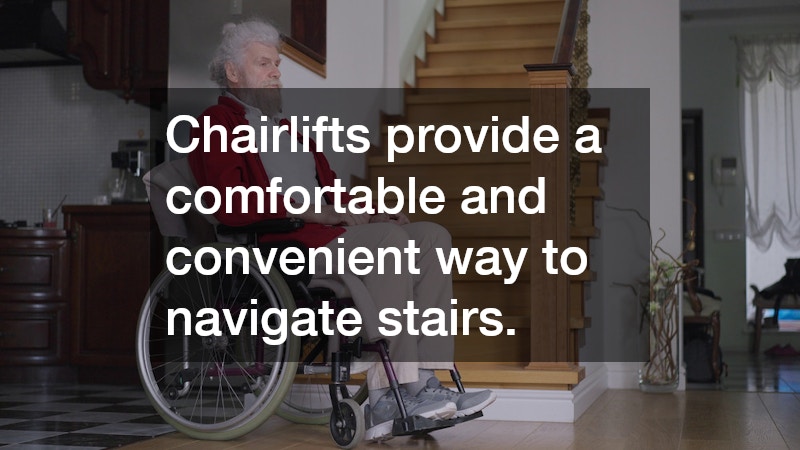
Chairlifts provide a comfortable and convenient way to navigate stairs. Most modern models include padded seats, armrests, and seatbelts for added comfort. Some stair lifts and chairlifts also feature swivel seats to make entry and exit easier, as well as smooth acceleration and deceleration for a safe and pleasant ride. These devices make moving between floors effortless, reducing fatigue and physical strain. For homes with multiple stories, having a reliable chairlift or vertical platform lift can be a life-changing addition.
How Much Does a Chairlift Installation Cost?
The cost of a chairlift varies based on the type, features, and staircase configuration. Straight staircases are generally less expensive, while curved or multi-level staircases require custom rails and more labor, increasing the cost. On average, straight stair lifts range from $2,000 to $5,000, whereas curved stair lifts can cost $8,000 to $15,000 or more. Vertical platform lifts, which accommodate wheelchairs, typically start around $5,000 and can exceed $15,000 depending on size and weight capacity. Professional installation is recommended to ensure safety and compliance with local building codes.
Maintaining a chairlift is relatively straightforward but necessary for long-term operation. Routine maintenance includes cleaning the rails, checking batteries, and inspecting mechanical components. Many manufacturers offer service plans ranging from $100 to $300 per year, helping prevent malfunctions and extend the lifespan of the device.
Some insurance plans, veterans’ benefits, or home modification programs may help offset the cost of stair lifts or vertical platform lifts. Homeowners can explore financing options, such as monthly payment plans offered by manufacturers or contractors, making accessibility upgrades more affordable. Consulting with an insurance provider or accessibility specialist can clarify eligibility for coverage or reimbursement.
How to Choose the Right Chairlift for Your Home?
When selecting a chairlift for your home, consider the type that suits your needs and staircase layout. Common choices include straight stair lifts for staircases without curves, while curved stair lifts are custom-built for layouts with turns or landings. Wheelchair lifts and vertical platform lifts offer solutions for those using mobility devices. Understanding your needs and staircase features helps in choosing the most suitable option.
Consider space and staircase dimensions, as lifts generally require a stair width of 28 to 30 inches for safe passage. Vertical platform lifts need clearance at both ends of the stairs. An assessment by an accessibility installer or a knowledgeable contractor can determine lift feasibility and placement, ensuring safety and minimal disruption to household traffic.
Modern chairlifts offer features and customization for comfort and usability, including swivel seats for easy access, adjustable features for varying body types, and remote controls for convenience. Foldable seats and footrests save space, especially on narrower staircases. Customizing a chairlift based on your needs and preferences ensures a safer, more comfortable experience, enhancing mobility and independence at home.
A chairlift for stairs, along with stair lifts, wheelchair lifts, and vertical platform lifts, can dramatically improve safety, independence, and convenience in multi-level homes. While costs, installation, and maintenance should be carefully considered, the benefits far outweigh the challenges, particularly for individuals with mobility limitations. Selecting the right lift—considering type, space, and features—ensures a reliable and comfortable solution that supports long-term independence and home accessibility. Investing in professional installation and maintenance provides peace of mind, giving homeowners the freedom to move safely and confidently throughout their living spaces.