
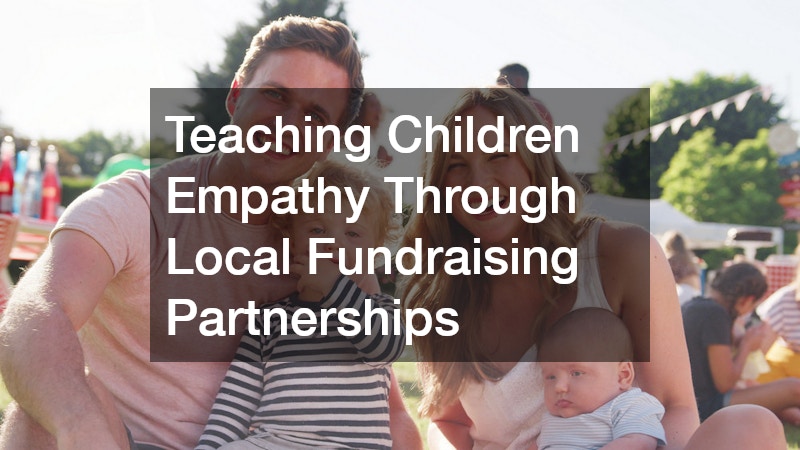
Empathy does not appear overnight. It grows through exposure, experience, and reflection, especially during childhood when values are still taking shape. While many parents teach kindness at home through conversation and modeling behavior, children often need real-world context to understand what compassion looks like in action. Community fundraising partnerships provide that context in a tangible, age-appropriate way.
When children participate in fundraising efforts tied to real people and real needs, they begin to connect emotions with impact. They see that helping is not abstract or reserved for adults with resources—it is something they can be part of right now. These experiences help children move beyond surface-level generosity and toward genuine understanding, patience, and care for others.
Local partnerships are especially powerful because they anchor empathy close to home. Kids are more likely to care deeply when the people they are helping live in their community, share familiar spaces, or rely on services they recognize. With thoughtful guidance, fundraising becomes more than raising money—it becomes an ongoing lesson in humanity.
This article explores practical, meaningful ways families can use community fundraising partnerships to teach empathy intentionally, sustainably, and with confidence.
Choose Fundraising Partners That Invite Meaningful Participation
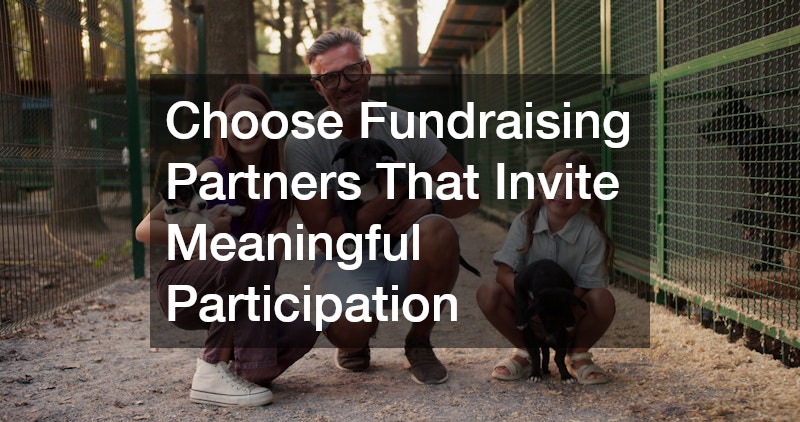
Children learn empathy best when they are actively involved rather than passively present. One of the most effective ways to encourage this is by choosing fundraising efforts that allow kids to participate in ways that feel purposeful and visible. The setting itself plays a major role in shaping that experience, especially when events are held at an event venue that feels welcoming and accessible for families.
Rather than selecting a space that isolates children to the sidelines, look for locations that encourage movement, interaction, and shared responsibility. Kids benefit from being able to help set up tables, greet guests, distribute materials, or assist with simple tasks that contribute to the overall success of the fundraiser. These roles give them ownership and pride, which strengthens emotional investment.
Parents can prepare children in advance by explaining what the event is for, who it helps, and why the space matters. Afterward, reflection is just as important. Talking through what they saw, how people worked together, and how their efforts contributed to the outcome helps children connect action with meaning.
Helpful ways to involve children include:
-
Assigning age-appropriate roles like handing out programs or helping with cleanup
-
Encouraging kids to help plan decorations or signage
-
Letting them observe teamwork and cooperation among adults
When children feel included rather than accommodated, empathy becomes something they experience firsthand.
Introduce Inclusion Through Purposeful Giving
Empathy deepens when children learn that not everyone experiences the world in the same way—and that differences deserve respect, not fear or pity. Fundraising partnerships connected to local disability living services can open the door to conversations about inclusion, independence, and dignity in ways that are thoughtful and empowering.
These discussions should focus on abilities rather than limitations. Parents can explain that some people need extra support in daily life, just as others might need glasses or braces, and that everyone deserves the opportunity to live with comfort and choice. Fundraising activities tied to these organizations help children see that support systems exist to promote autonomy, not charity alone.
Before participating, it helps to talk through expectations and answer questions honestly. Children may be curious, unsure, or even nervous. Giving them language that is respectful and matter-of-fact builds confidence and compassion.
After the fundraiser, reflection reinforces learning:
-
Ask children what surprised them
-
Discuss how support can empower people
-
Emphasize respect and inclusion as ongoing values
These experiences help children understand that empathy includes recognizing and honoring differences.
Talk About Loss and Support With Care
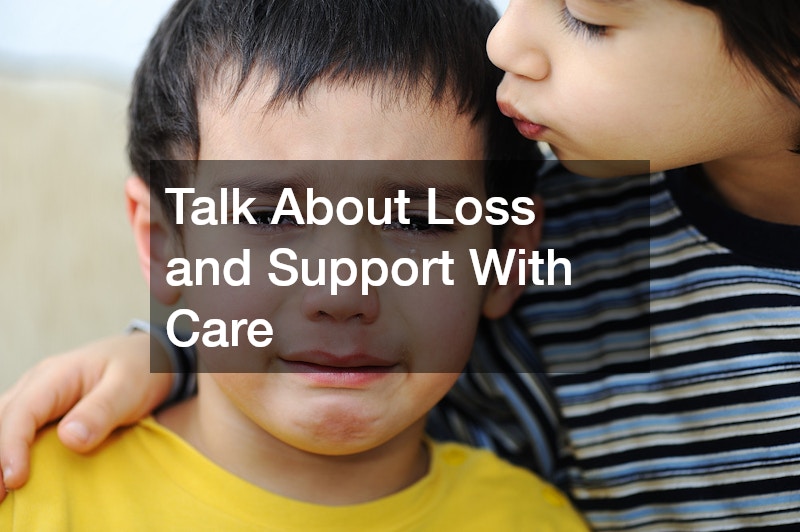
Some fundraising partnerships introduce children to difficult but important realities, including grief and loss. While parents often hesitate to expose children to these topics, thoughtful involvement can teach deep empathy when handled with care. Fundraisers connected to a funeral-related cause can be framed around community support rather than sadness alone.
Children do not need graphic details to understand that people sometimes experience loss and that communities come together to help during hard times. Parents can explain that fundraisers help families feel supported, cared for, and less alone. This framing keeps the focus on compassion rather than fear.
It is important to let children guide the conversation. Some may ask questions, while others may simply observe. Both responses are valid. What matters is creating space for feelings and reinforcing that helping others during difficult moments is an act of kindness and strength.
Ways to support children emotionally include:
-
Offering reassurance and age-appropriate explanations
-
Validating feelings without forcing discussion
-
Emphasizing community care over loss
Handled thoughtfully, these experiences teach children that empathy includes showing up when things are hard.
Highlight the Value of Everyday Caregiving
Many children are unaware of the behind-the-scenes work that keeps families and communities functioning. Fundraising partnerships that support caregiving organizations provide an opportunity to shine a light on patience, dedication, and quiet compassion. A fundraiser connected to a home care service can help children recognize the importance of caring for others consistently, not just in emergencies.
Parents can explain that caregivers help people with everyday tasks so they can remain safe and comfortable. This helps children understand care as a form of respect and responsibility rather than obligation. Fundraising activities might focus on appreciation, support, or resource gathering rather than awareness alone.
Children can participate in ways that emphasize gratitude:
-
Writing thank-you notes
-
Helping assemble care packages
-
Learning about routines that caregivers support
These conversations encourage children to value empathy as something practiced daily, not just during special events.
Use Early School Experiences as Empathy Foundations
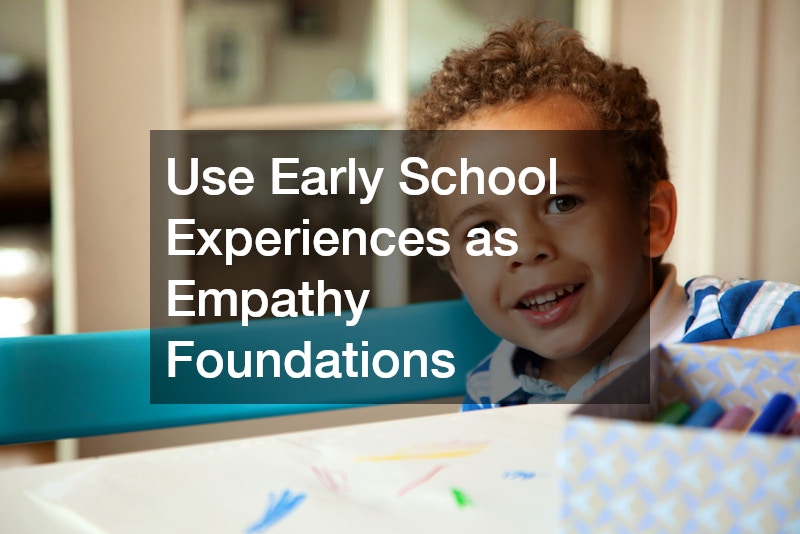
Early elementary years are a powerful time to build empathy because children are developing social awareness and moral reasoning. Fundraising efforts connected to a kindergarten community can help children link empathy to familiar spaces and relationships.
When children help support causes connected to peers or educators, the impact feels immediate and personal. Parents can involve kids in choosing how to help, whether through small fundraising activities, classroom projects, or family-led initiatives that align with school values.
Reflection helps solidify learning:
-
Discuss how helping others makes classrooms stronger
-
Encourage children to share feelings about participation
-
Reinforce teamwork and shared responsibility
By tying empathy to everyday school experiences, children learn that kindness is part of how communities function.
Reinforce Compassion Through Early Learning Environments
Very young children learn empathy primarily through modeling and repetition. Fundraising partnerships tied to preschools allow families to introduce empathy gently through familiar routines, play, and storytelling.
At this age, simplicity is key. Fundraising efforts might involve art projects, shared activities, or small group events that focus on helping rather than understanding complex issues. Parents can explain that helping others is something families do together.
Helpful strategies include:
-
Using stories to explain helping
-
Keeping activities short and positive
-
Celebrating participation rather than outcomes
These early experiences lay the groundwork for empathy without overwhelming young children.
Make Kindness a Habit Through Routine Exposure

Children benefit from repeated exposure to empathy in action. Partnering with organizations connected to a childcare service can help reinforce kindness as a regular part of life rather than a one-time lesson.
Because children spend significant time in these environments, collaboration between families and caregivers strengthens consistency. Fundraising projects might include simple drives, group activities, or shared goals that emphasize cooperation.
Parents can support this by:
-
Talking about kindness at home
-
Reinforcing messages caregivers share
-
Encouraging children to notice how helping feels
When empathy becomes routine, children are more likely to carry it into other areas of life. It begins to shape how they interact with peers, respond to conflict, and notice the needs of others without being prompted. Over time, these everyday moments of awareness and consideration help empathy feel less like an expectation and more like a natural part of who they are.
Encourage Deeper Understanding Through Skill-Building
As children grow older, they benefit from opportunities that allow them to think critically and creatively about helping others. Fundraising partnerships connected to an enrichment program provide space for children to develop leadership, problem-solving, and emotional awareness alongside empathy.
These programs often allow kids to take on planning roles, brainstorm ideas, or help promote events. This involvement teaches them that empathy includes initiative and responsibility.
Parents can support deeper engagement by:
-
Encouraging reflection on impact
-
Asking children what they learned
-
Supporting creativity and collaboration
These experiences help children see empathy as an active skill they can develop and use.
Foster Intergenerational Empathy Through Connection
Empathy expands when children interact with people at different life stages. Fundraising partnerships connected to a memory care facility offer opportunities to teach patience, respect, and attentiveness in meaningful ways.
Parents can prepare children by explaining that some older adults may communicate differently or need extra time. Fundraising activities might focus on joy, comfort, or shared experiences rather than needs alone.
Important lessons include:
-
Listening without rushing
-
Being present and respectful
-
Understanding that empathy includes patience
These interactions help children appreciate the value of compassion across generations.
Support Emotional Growth Alongside Giving
Empathy involves emotional awareness, not just action. While participating in fundraising teaches children how to help, understanding why they feel certain emotions during the process is what allows empathy to truly take root. Fundraising partnerships that connect families with child therapists can play an important role in supporting healthy emotional development, especially when children are exposed to complex situations, unfamiliar needs, or strong emotional responses. These experiences help kids recognize that giving can bring a mix of feelings—including pride, confusion, sadness, or even frustration—and that all of those reactions are valid.
Parents can deepen these lessons by encouraging children to reflect on their emotional experiences before, during, and after a fundraising effort. Asking thoughtful questions helps kids make sense of what they felt and why. Conversations might explore how helping others made them feel, what moments felt uncomfortable or surprising, and what they learned about themselves in the process. When children struggle to articulate their emotions or feel uncertain about their reactions, calm reassurance and gentle guidance help normalize those feelings instead of dismissing them.
Helpful practices that support emotional growth include:
-
Having open, age-appropriate conversations before and after events to set expectations and reflect afterward
-
Validating emotional responses rather than correcting or minimizing them
-
Recognizing when a child may benefit from additional emotional support or professional guidance
By pairing empathy with emotional literacy, families help children build compassion that is not only kind, but resilient. Children learn that caring for others does not require having all the answers—it requires awareness, honesty, and the confidence to navigate emotions with support. Over time, this combination strengthens a child’s ability to respond thoughtfully to the needs of others while also understanding and caring for their own emotional well-being.
When parents approach fundraising with intention—by choosing thoughtful partners, preparing children emotionally, and taking time to reflect afterward—empathy becomes more than a momentary feeling. It turns into a skill children carry forward into their relationships, school environments, and eventually adulthood. These lessons do not require grand gestures or perfect execution to be effective. Instead, empathy grows through small, consistent acts of care that reinforce the idea that helping others is a shared responsibility woven into everyday life.
By starting where they are and engaging together, families create opportunities for growth that feel accessible and sustainable. Children learn that empathy is not something you either have or do not have, but something that develops with practice and patience. As kids observe their own capacity to make a difference—no matter how small—they gain confidence in their ability to contribute positively to the world around them, strengthening both their emotional awareness and sense of belonging.