
A home is far more than a financial asset or a place of daily routine; it is the primary physical shield that protects your family from environmental hazards, seasonal extremes, and structural deterioration. However, even the most robustly built residential structures face continuous pressure from weather cycles, soil movement, moisture exposure, and natural material aging. While high-visibility cosmetic upgrades like modern kitchen overhauls or luxury bathroom tile often take priority during home improvement planning, structural and safety renovations provide the core stability that preserves your property’s longevity and market value.
Prioritizing structural integrity and safety prevention stops minor maintenance oversights from escalating into catastrophic structural failures. Addressing hidden water intrusion, roof fatigue, foundation movement, and aging utility lines proactively can save tens of thousands of dollars in emergency remediation. By evaluating your property systematically from the roofline down to subterranean utilities, you can execute targeted, high-impact renovations that keep your living environment secure, compliant, and resilient for generations to come.
Inspecting Upper Surfaces and Modernizing High-Impact Vulnerabilities
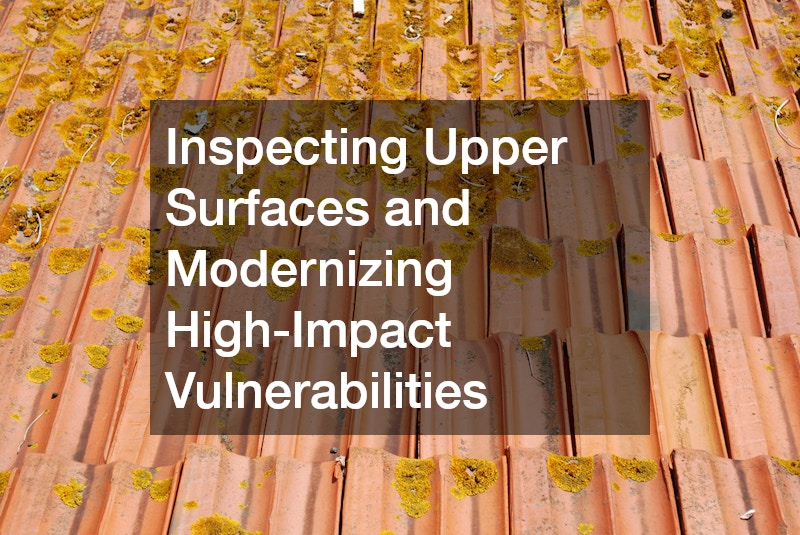
Your home’s primary line of defense against severe weather starts at the roofline and extends down through the primary access points of the exterior building envelope. Water penetration through a compromised roof assembly or an unsealed structural opening can rot wooden framing, compromise thermal insulation, and foster health-hazardous mold growth inside wall cavities long before visible water stains appear on interior drywall ceilings.
Roof Moisture and Leak Management
Roofing systems endure relentless exposure to thermal expansion, ultraviolet degradation, freezing temperatures, and mechanical stress from high winds and driving rain. Over time, protective flashing around chimneys, valley seams, plumbing stacks, and dormer junctions degrades, creating microscopic channels through which water slowly migrates into interior framing.
When upper structural framing shows signs of ongoing moisture distress or asphalt shingles have reached total physical fatigue, partnering with a dependable residential roofer ensures that subterranean deck rot is completely remediated before new weatherproofing layers are installed.
Entryway and Overhead Door Reinforcement
Large structural openings in your home’s exterior envelope represent distinct physical and security vulnerabilities. A primary garage door, for example, represents the largest single unreinforced opening in most homes, making it uniquely susceptible to high wind pressures, structural displacement, forced entry, and rapid thermal loss.
-
Upgrade Wind Ratings: Replace standard lightweight doors with impact-rated models engineered with heavy-gauge steel tracking and continuous horizontal reinforcement struts capable of withstanding severe storm winds.
-
Enhance Thermal Insulation: Select polyurethane foam-injected steel doors with high thermal resistance ratings to stabilize interior temperature swings and prevent heavy cold drafts from entering adjoining living areas.
-
Verify Safety Sensors: Test auto-reverse photo-eye safety sensors monthly to confirm the door immediately stops and reverses direction whenever an object or individual crosses its path.
-
Upgrade Perimeter Weatherstripping: Replace cracked or brittle bottom vinyl seals and perimeter jamb seals to keep wind-driven rain, leaves, and ground pests from penetrating the garage threshold.
Engaging a skilled garage door contractor guarantees precise structural mounting, balanced torsion spring adjustment, and smooth track alignment that prevents mechanical binding or frame distortion over years of daily operation.
Mitigating Hydrostatic Pressure and Preventing Below-Grade Water Intrusion
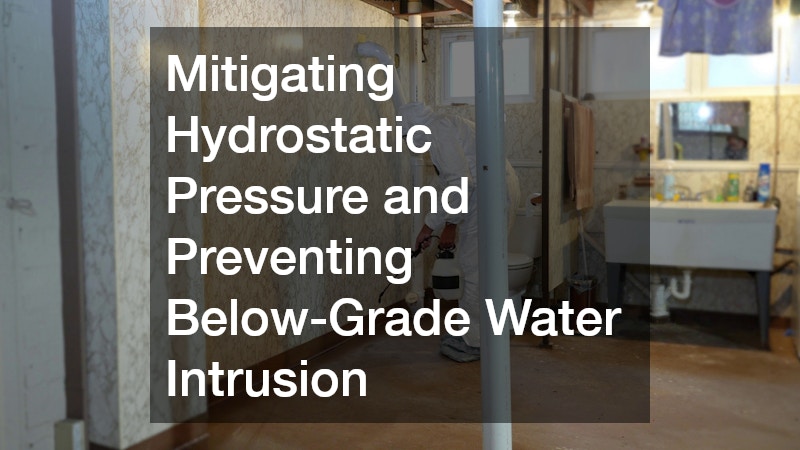
Subterranean building elements endure constant, heavy mechanical stress from the surrounding soil. As surrounding soil absorbs rainwater and snowmelt, it expands significantly, exerting immense lateral force—known as hydrostatic pressure—against concrete foundations, cinder block walls, and basement footings. Left unmanaged, hydrostatic pressure leads to horizontal wall bowing, structural cracking, and devastating interior flooding.
Foundation Stability and Waterproofing
Protecting below-grade living spaces and foundation footings requires a comprehensive strategy focused on managing groundwater movement outside the home while reinforcing interior structural walls against lateral movement.
-
Exterior Waterproofing Membranes: Apply heavy-duty rubberized asphalt coatings and dimpled drainage sheets to exterior foundation walls, directing groundwater safely downward into perforated perimeter drain pipes.
-
Interior Drainage and Sump Systems: Install interior perimeter drain channels along floor footings that channel water to a heavy-duty sump pump pit equipped with a dual-pump setup and a battery-powered backup system.
-
Carbon Fiber Wall Reinforcement: Stabilize early-stage basement wall bowing or horizontal stress fractures by installing high-tensile carbon fiber straps bonded directly to concrete surfaces and anchored securely to floor joists.
-
Grade Adjustment and Downspout Extensions: Ensure perimeter soil slopes downward away from foundation walls at a pitch of at least six inches over the first ten feet, and extend downspout discharge lines well beyond footing zones.
Working alongside experienced basement contractors enables property owners to accurately trace groundwater pathways, relieve hydrostatic pressure, and implement permanent structural drainage systems tailored specifically to local soil compositions and high water tables.
Pest Penetration Prevention
Foundation hairline cracks, deteriorated mortar joints, and unsealed utility pipe penetrations do far more than admit groundwater—they serve as open entry pathways for destructive pests. Rodents can squeeze through gaps as tiny as a quarter-inch, gnawing through electrical wiring, destroying fiberglass insulation, and introducing harmful pathogens into interior living spaces.
-
Seal Mechanical Penetrations: Fill gaps around main water supply lines, electrical conduits, gas pipes, and HVAC lines using a combination of stainless steel mesh and high-density elastomeric masonry sealant.
-
Encapsulate Crawl Spaces: Cover open dirt floors in crawl spaces with heavy-duty 12-mil to 20-mil vapor barriers, running the sheeting tightly up foundation walls and sealing all overlapping seams with specialized tape.
-
Maintain Structural Clearance: Prune overhanging tree branches back from rooflines and keep dense landscape foliage, organic mulch, and stored firewood at least eighteen inches away from exterior foundation walls.
-
Install Heavy Foundation Screens: Cover exterior foundation vents, window wells, and crawl space access doors with durable quarter-inch galvanized hardware cloth.
Should pest activity take root within interior wall voids or subfloor framing, bringing in a professional local mice exterminator ensures existing nests are thoroughly eliminated and structural exclusion points are permanently sealed against future infestations.
Safeguarding On-Site Water Delivery and Waste Management Systems
For properties located outside municipal utility grids, maintaining independent water supply and waste management infrastructure is vital to household safety, sanitation, and property protection. Equipment breakdowns or structural pipe failures within these private utility networks can cause serious drinking water contamination, soil erosion, or severe indoor wastewater backups.
Water Supply Integrity
Private residential water wells require consistent maintenance and mechanical evaluation to maintain proper water pressure, protect pump equipment from premature burnout, and safeguard health from biological contaminants. When water pressure drops significantly, pump systems cycle continuously, or water purity changes unexpectedly, partnering with specialists in reliable water well drilling guarantees proper hydro-geological assessment, well shaft deepening, or installation of modern high-efficiency submersible pumps.
Wastewater Maintenance
On-site septic processing requires careful daily operation and periodic structural maintenance to process household sewage safely without overloading soil absorption fields or causing hazardous plumbing backups inside the home.
-
Practice Water Load Management: Stagger high-volume laundry cycles and install high-efficiency, low-flow plumbing fixtures to prevent hydraulic surge from flooding the treatment tank.
-
Protect the Soil Absorption Field: Never allow heavy vehicles or construction equipment to drive over drain field pipes, and keep deep-rooting trees or shrubs far away from the absorption area.
-
Dispose of Household Waste Responsibly: Never flush paper towels, personal wipes, grease, harsh industrial solvents, or heavy household chemicals down drains, as they kill necessary waste-breaking bacteria.
-
Install Effluent Filters: Equip the outlet tee of your septic tank with an accessible effluent filter to block suspended solids from entering and clogging the absorption field pipes.
Maintaining your household septic tank system properly ensures liquid effluent is safely separated, treated, and returned to the water table without endangering public health or damaging surrounding landscape structures.
Conducting System Evaluations and Planning Major Structural Upgrades
Substantial residential renovations require rigorous advance planning, thorough physical inspections, and accurate engineering calculations. Executing major interior or structural alterations without fully understanding existing conditions can jeopardize load-bearing pathways, compromise utility performance, and lead to expensive building code violations.
Early Warning System Evaluations
Comprehensive diagnostic evaluations enable property owners to identify concealed subterranean utility damage, pipe deterioration, or tank structural fatigue long before starting major home expansions or property transfers.
-
Fiber-Optic Camera Inspections: Run high-resolution video cameras through underground waste lines to check for tree root intrusion, pipe sagging, joint displacement, or structural collapse.
-
Sludge and Scum Layer Audits: Measure solid waste accumulation depths inside primary treatment tanks using specialized probes to determine accurate pumping schedules based on actual household usage.
-
Baffle and Tank Integrity Checks: Verify that concrete or polyethylene inlet and outlet baffles remain structurally intact to prevent floating scum layers from entering drain field distribution pipes.
-
Soil Permeability Testing: Conduct percolation tests around utility drain fields to evaluate water absorption capabilities before expanding residential footprints or adding bathrooms.
Scheduling a thorough septic inspection provides full clarity regarding utility health, helping you address hidden subterranean issues before breaking ground on major house additions.
Major Structural Renovations
Executing large-scale structural renovations—such as removing interior load-bearing partition walls, constructing second-story additions, or expanding ground-floor footprints—demands precise structural engineering and careful load path planning.
-
Map Structural Load Paths: Trace vertical weight loads from roof trusses through upper-floor joists down to foundation footings before modifying any interior framing assemblies.
-
Install Engineered Beam Support: Replace load-bearing walls with properly sized glulam, microlam, or steel I-beams supported by solid, continuous vertical post paths down to reinforced concrete footings.
-
Secure Proper Permits: Ensure all structural design changes are backed by stamped engineering calculations and local building permits, ensuring compliance with current regional building codes.
-
Verify Framing Connections: Use heavy-gauge metal hurricane ties, joist hangers, and structural lag screws rather than basic end-nailing to secure critical framing intersections.
Executing major home additions alongside a qualified home construction company ensures framing stability, code compliance, and seamless structural integration between new construction and existing foundations.
Defending Exterior Envelope and Controlling Water Runoff
The final critical boundary of home protection centers on fortifying the outer physical shell against extreme weather, excessive wind, UV radiation, and torrential rainfall. Maintaining exterior surfaces prevents moisture from creeping into exterior wall assemblies, protecting structural wall studs and interior finishes from long-term rot and decay.
Roof System Integrity
Severe weather events put tremendous stress on exterior roof surfaces. Upgrading overall shingle durability, underlayment quality, and water management hardware shields roof decking from wind uplift and driving moisture.
-
Install Advanced Underlayments: Replace traditional asphalt felt paper with tear-resistant synthetic underlayment and self-adhering ice-and-water membranes along eaves, valleys, and roof penetrations.
-
Select High Impact Ratings: Choose Class 4 impact-resistant architectural shingles designed to withstand severe hail strikes and high winds without loss of protective mineral granules.
-
Upgrade Gutter Capacity: Install seamless 6-inch aluminum gutters paired with oversized 3×4-inch downspouts to collect and discharge heavy rainwater efficiently during sudden downpours.
-
Add Gutter Protection: Install heavy-duty mesh gutter guards to prevent falling leaves, pine needles, and debris from clogging water channels and causing roof edge overflow.
Collaborating with qualified roofing contractors ensures your roof replacement incorporates proper decking ventilation, correct starter shingle installation, and high-wind fastening patterns built to handle severe weather.
Shade and Water Diverter Protections
Exterior window and door coverings serve a dual protective purpose: they reduce solar heat gain inside living spaces while keeping heavy rainwater away from sensitive window sills, exterior door thresholds, and foundation edges.
-
Lower Interior Heat Loads: Install durable exterior shades over south- and west-facing windows to block harsh solar radiation, reducing indoor cooling demands and protecting interior finishes from UV fading.
-
Protect Exterior Openings: Position fixed or retractable awnings over sliding glass doors and main entries to divert heavy rainfall away from door sills, subflooring, and siding seams.
-
Direct Runoff Efficiently: Choose exterior covering systems equipped with built-in perimeter gutters and discharge channels that route collected rainwater cleanly into existing drainage networks.
-
Protect Exterior Siding: Reduce water splashing along lower siding panels, preventing moisture from penetrating behind exterior cladding and causing subterranean frame rot.
Consulting with established awning companies allows you to select durable exterior shade systems engineered to handle local wind loads while extending the life of your home’s exterior window and door frames.
Building Long-Term Value Through Strategic Upgrades
Investing in your home’s structural integrity, utility networks, and protective weather barriers yields unmatched long-term value. While visual cosmetic updates provide immediate aesthetic appeal, structural renovations protect your property against expensive environmental damage, soil movement, moisture penetration, and unexpected utility failures.
By systematically inspecting and upgrading your roof structures, foundation waterproofing, subterranean water systems, and exterior weather shields, you create a safe, resilient, and highly efficient living environment. Prioritizing preventive maintenance and working alongside experienced, licensed trade professionals protects your financial investment, lowers home insurance risks, and ensures your house remains a secure sanctuary for many years to come.