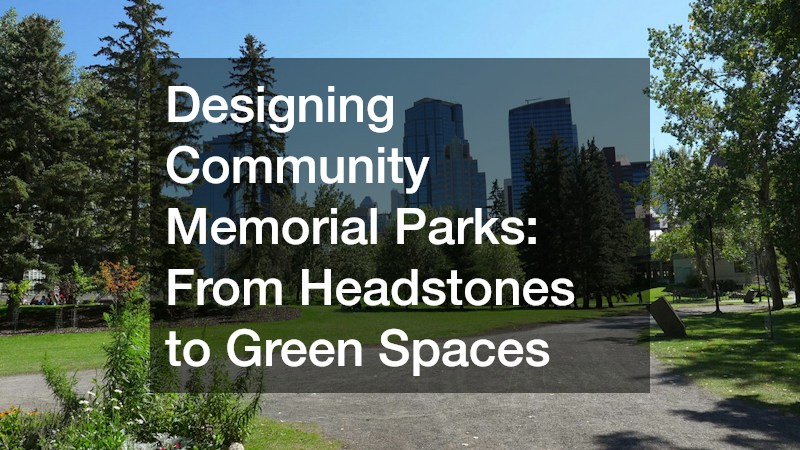
The concept of a cemetery as an isolated, gated yard lined with rigid rows of gray stone is shifting across towns and cities worldwide. Urban densification, evolving cultural expectations, and an increasing appreciation for public open space have sparked a quiet movement: the transformation of burial grounds into vibrant, multifunctional community memorial parks. These revitalized spaces function not merely as resting places for the departed, but as living ecological sanctuaries where neighbors can walk shaded trails, sit in quiet contemplation, and connect with local history.
Designing a memorial park that balances reverent commemoration with everyday community utility requires careful planning. It demands an understanding of civil engineering, regional ecology, historical preservation, and architectural masonry. When civic leaders, cemetery trustees, and landscape architects align their efforts, they create an enduring public asset that honors past generations while providing psychological and environmental benefits to future ones. The following comprehensive guide outlines the foundational principles and tactical execution required to build, operate, and preserve a modern memorial landscape.
Master Planning and Navigating Civic Ceremonies
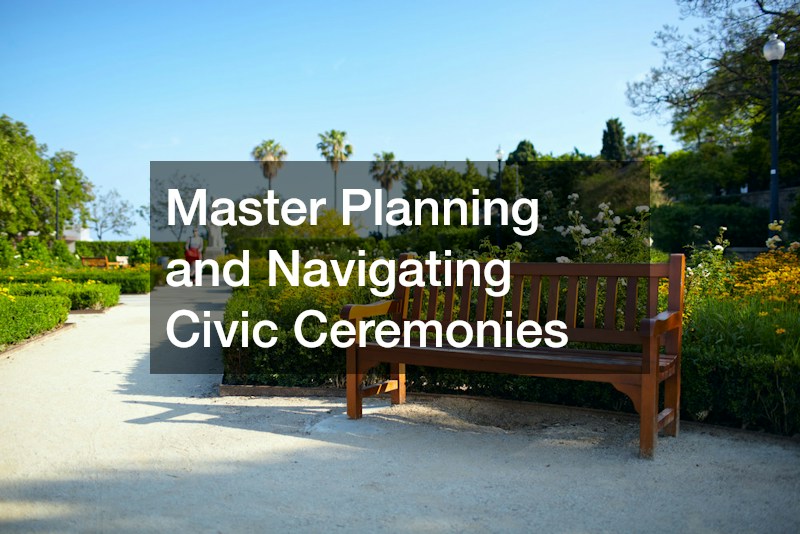
A successful memorial park must accommodate deeply personal, emotional rituals while maintaining smooth civic operations. Integrating ceremonial functions within an active park environment requires deliberate zoning, thoughtful pedestrian circulation, and acoustic buffers.
Designing Gathering Zones for Public Ceremonies
When families assemble to lay a loved one to rest, privacy and solemnity are paramount. However, when these events take place in a shared community park, designers must establish intentional visual and acoustic barriers between ceremonial sites and public recreation loops.
- Establish acoustic buffer zones: Situate core gathering spaces away from perimeter roads and children’s play areas by utilizing natural topography. Sculpting gentle earthen berms and planting dense, layered stands of native evergreens deflect urban street noise and shield guests attending an outdoor funeral service from intrusive sightlines.
- Coordinate parallel circulation loops: Design park routes with a dual-tier path network. Primary avenues must support the physical footprint and axle weight of utility vehicles and ceremonial processions, while narrower, permeable footpaths branch off toward quieter meditation groves. This setup ensures that vehicular movement does not interrupt casual walkers or reflective visitors.
- Incorporate covered shelter elements: Weather extremes can turn an outdoor gathering into an ordeal. Open-air timber pavilions, stone porticos, and trellised arbors provide critical protection from wind, rain, and beating sun. Equipping these structures with discreet electrical conduits and low-voltage audio jacks allows organizers to manage family eulogies and acoustic music without stringing temporary cables across turf.
Managing Floral Arrangements and Botanical Waste
Ceremonial gatherings generate significant volumes of organic material that, if mismanaged, can quickly clutter walking paths and overwhelm local waste streams. Integrating dedicated facilities for display and compost ensures a respectful, tidy environment.
- Construct dedicated staging alcoves: Delivery logistics should never disrupt park tranquility. By paving discreet pull-in bays near gathering pavilions, staff and local providers coordinating with a funeral flower service can unpack standing wreaths, casket sprays, and potted botanicals without blocking major pedestrian thoroughfares.
- Establish on-site organic recycling stations: Position screened composting pens behind evergreen borders or decorative masonry walls. These enclosures give groundskeeping crews a tidy area to break down wilting botanical displays, turning natural petals and clippings into nutrient-dense mulch that can be reintroduced into park soil beds later in the season.
- Publish biodegradable tribute standards: Establish park guidelines that encourage families and vendors to favor unbleached hemp twine, wooden easels, and organic mosses over non-recyclable green floral foam, plastic netting, and wire armatures. This practice prevents microplastics from migrating into the park’s soil and waterways.
Individual Memorial Craft: Balancing Tradition and Modern Aesthetics
A community park’s character is largely defined by the markers marking individual lives. Selecting memorial styles that harmonize with maintenance strategies prevents grounds from descending into disrepair while maintaining personalized dignity.
Selecting Enduring Markers for Varied Terrains
Different sections of a memorial landscape serve distinct spatial and maintenance needs. Uniformity is not required, but thoughtful placement prevents operational bottlenecks.
- Incorporate low-profile markers in expansive turf zones: Open, meadow-style memorial sections benefit greatly from a flush granite grave marker set level with the surrounding sod. This low-profile design creates sweeping, uncluttered sightlines across the park and allows groundskeepers to operate multi-blade mowers quickly and cleanly without risking mechanical strikes against stone edges.
- Cluster traditional monuments along perimeter borders: Upright monuments carry deep cultural resonance and architectural beauty, but they complicate lawn care when scattered randomly across wide fields. Grouping an elevated headstone along natural garden borders, stone retaining walls, or shaded tree rings shields the marker from maintenance equipment and creates intimate outdoor alcoves.
- Prioritize deep mechanical engraving: Surface-level chemical etching can fade quickly under constant exposure to airborne pollutants, lichen colonization, and sun exposure. Mandating deep mechanical carving or raised relief lettering ensures that biographical dates, epitaphs, and symbols remain legible decades after installation.
Standardizing Subterranean Footing Requirements
The long-term stability of an individual monument depends almost entirely on what lies beneath the sod. Inadequate foundations lead to tilted, sunken, or cracked memorials that cost communities thousands of dollars to correct.
- Anchor footings beneath the regional frost line: In colder climates, winter freeze-thaw cycles exert tremendous hydraulic pressure against underground surfaces. Concrete footings poured above the frost line will heave upward in winter and settle unevenly in spring. Digging pier foundations deep enough prevents shifting and ensures stones stand upright across generations.
- Implement continuous grade beams for grouped interments: Rather than pouring individual pads for closely spaced burials, install a continuous steel-reinforced concrete runner beneath the sod line. This shared foundation guarantees that an entire row settles uniformly, eliminating the chaotic, jagged appearance common in poorly engineered legacy cemeteries.
- Integrate bottom drainage reservoirs: Before pouring concrete bases or positioning heavy stone slabs, excavate an additional six to eight inches of soil and pack it with washed angular gravel. This crushed stone pocket wicks capillary water away from the monument’s base, preventing subterranean water absorption that leads to internal spalling during hard freezes.
Historical Preservation and Ongoing Monument Care
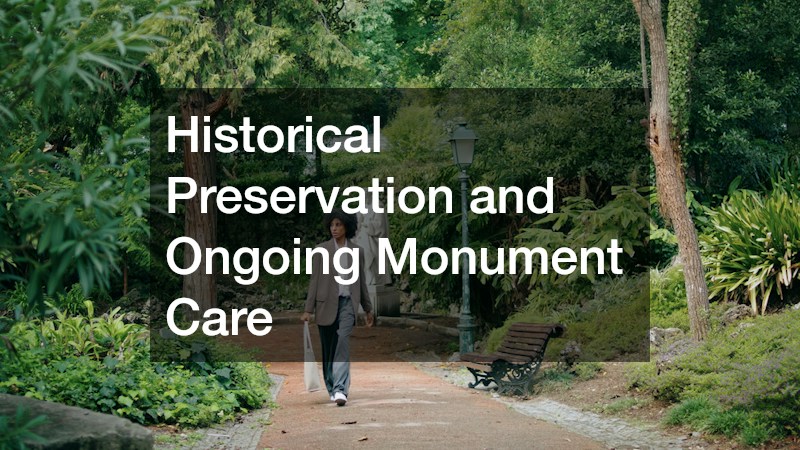
Many community memorial parks encompass older, historic burial grounds that require specialized preservation techniques. Treating aged stonework with modern, heavy-handed cleaning methods often causes irreversible structural damage.
Establishing Professional Maintenance Alliances
Caretakers must draw clear distinctions between standard park maintenance—such as clearing fallen branches or pruning shrubs—and the meticulous physical conservation of centuries-old stonework.
- Contract accredited preservation specialists: Regular landscape maintenance crews are rarely trained in stone mineralogy or historic mortar chemistry. Cemetery boards should secure an ongoing consulting agreement with a certified gravestone service to oversee complex repairs, structural stabilization, and periodic site assessments.
- Perform seasonal condition audits: Assemble a regular schedule where park volunteers or staff walk each section with standardized field sheets or mapping software. Logging cracked bases, unstable vertical slabs, and biological growth allows preservation teams to intervene before a precarious monument topples.
- Enforce non-destructive cleaning techniques: Harsh chemical treatments, household bleach, muriatic acid, and high-pressure power washers strip the protective natural patina from stone surfaces and open microscopic fissures. Mandate the exclusive use of specialized quaternary ammonium biological cleaners combined with soft-bristle nylon brushes and low-pressure water rinses.
Safely Stabilizing and Resetting Heritage Markers
A leaning or fallen monument poses a direct safety risk to park visitors and leaves the artifact vulnerable to turf mowers and foot traffic. Resetting these objects requires mechanical care and historical precision.
- Utilize non-marking lifting equipment: When lifting a fallen historic tombstone, never wrap metal tow chains or wire cables directly around the stone, as they bite into soft surfaces and shear ornamental edges. Instead, deploy an aluminum gantry crane rigged with wide, heavy-duty synthetic nylon webbing slings to hoist and maneuver stone elements safely.
- Avoid modern Portland cement mortars on historic stones: Sinking an antique limestone, marble, or soft sandstone tablet into modern concrete creates a catastrophic structural failure. Portland cement dries far harder and less porous than the historic stone itself; when moisture inevitably penetrates the assembly, the softer historic stone fractures around the rigid cement collar. Reset historic tablets into tamped, breathable lime mortars or compacted crushed aggregate beds.
Sustainable Grounds, Turf Management, and Earthwork
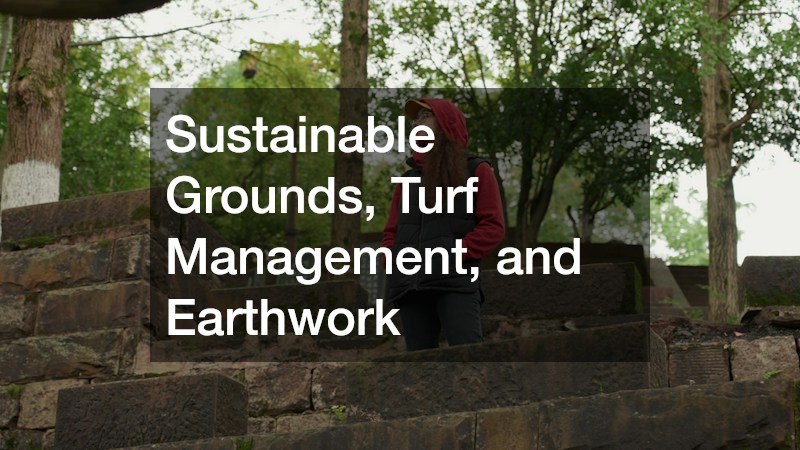
A successful memorial park must function as an ecological anchor for its community. Integrating native plants, smart water management, and durable hardscaping reduces municipal maintenance expenditures while elevating local biodiversity.
Selecting Resilient Groundcover and Organic Amendments
Traditional green lawns require massive inputs of water, petroleum-based fertilizers, and chemical herbicides to stay pristine. Modern memorial landscapes can replace high-maintenance turf with sustainable planting systems.
- Apply slow-decay organic mulch layers: Distributing wood chips or triple-shredded bark as a standard landscaping material around shrub groupings and tree root flares suppresses weeds and retains soil moisture during hot summer droughts. Always maintain a two-inch gap between the mulch bed and the bark of trees or the faces of stones to prevent pest infestation and moisture damage.
- Convert secondary zones into native prairie meadows: While high-traffic gathering spaces benefit from tough, walkable turf, secondary rolling hills and perimeter corridors should be seeded with native grasses, fescues, and regional wildflower mixtures. These meadow areas reduce routine mowing schedules by more than half, create critical forage for native pollinators, and present an attractive, undulating landscape throughout the seasons.
Designing Accessible, Low-Maintenance Walkways
A memorial park should be fully accessible to visitors of all ages and physical capabilities. Paths must provide stable, barrier-free access without demanding constant resurfacing.
- Install continuous aggregate-hardened paving: Gravel trails often degrade under wheelchair wheels, while asphalt softens in extreme heat and cracks under root pressure. Hiring contractors who specialize in polished concrete services produces seamless, high-density walkways that hold up against heavy pedestrian traffic and municipal maintenance carts without rutting or deteriorating.
- Grade surfaces for rapid water dispersion: Standing puddles present slip hazards for elderly guests and accelerate the deterioration of nearby stone footings. Slope all paved park walkways with a consistent one-to-two percent crossfall toward adjoining vegetated bio-filters, ensuring paths shed sheets of rainwater rapidly without creating an uncomfortable walking pitch.
Architectural Masonry and Hardscape Integration
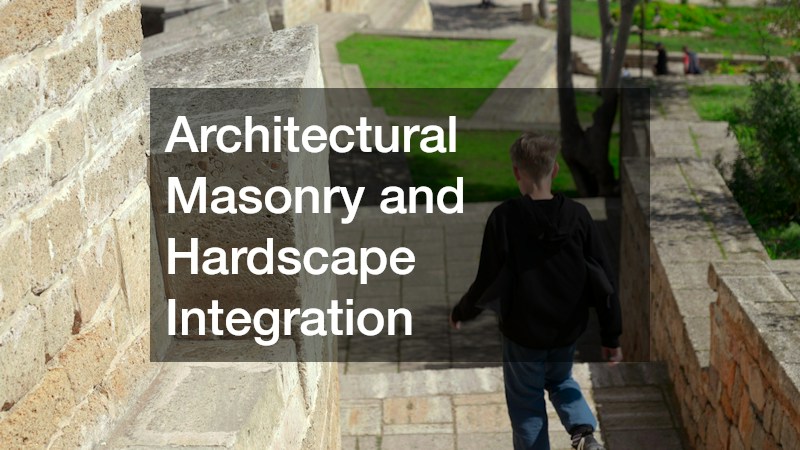
The architectural elements within a memorial park—its entrance portals, terraced retaining structures, columbaria, and seating arrangements—give the landscape a sense of permanence and visual order.
Sourcing Structural Retaining Systems and Natural Accents
Sloping terrain offers opportunities to build scenic viewing points and private memorial terraces. Constructing these spaces with natural quarry stone ensures that human interventions complement the natural topography.
- Procure regional stone to harmonize with local geology: When planning terraced overlooks or perimeter fieldstone walls, partnering directly with an established natural stone company ensures that the procured boulders and facing veneers match the underlying geological character of the region. Native limestone, granite, or slate feels at home in the landscape, whereas non-native imports can look out of place.
- Construct gravity-engineered dry-stacked walls: Terracing steep hillsides into stepped memorial groves prevents erosion while creating natural resting areas. Using dry-stacked or pinned boulder systems backed by porous drainage aggregate and non-woven geotextile fabric lets groundwater weep freely through wall joints, preventing hydrostatic pressure from pushing structural walls over during heavy rainstorms.
Incorporating Custom Architectural Elements and Columbaria
As cremation rates rise, memorial parks need dedicated spaces for urn interments. Columbaria walls, decorative entrance gates, and ceremonial plazas require masonry components crafted with high structural density.
- Commission custom precast masonry for civic structures: For intricate ornamental entrance gateposts, decorative balustrades, and multi-niche columbarium complexes, turning to experienced architectural cast stone services provides crisp structural profiles and consistent aggregate density. This technique achieves the visual weight and classical proportions of carved natural stone while maintaining tight structural tolerances for precision vault openings.
- Apply breathable, silane-based water repellents: Moisture intrusion remains the primary enemy of cast masonry. Treating architectural castings with silane-siloxane penetrating sealants shields surfaces from moisture absorption while allowing internal vapor to escape freely. This treatment prevents unsightly surface efflorescence and shields detailed bas-reliefs from spalling during harsh winters.
Transforming burial grounds into community memorial parks bridges historical remembrance with forward-looking urban design. By integrating durable stone crafts, sustainable planting strategies, and accessible civic infrastructure, planners can create serene public environments that honor the past while serving the living.
When communities take an active, deliberate approach to managing these sacred open spaces, they build landscapes that cultivate local pride and endure across generations. Bringing together architects, municipal leaders, arborists, and neighborhood volunteers produces a shared public sanctuary where nature and memory grow side by side.